Weight Loss Tips for Women in 2026: What Actually Works for the Female Body
WEIGHT LOSE
Admin
5/17/20265 min read

Understanding the Female Body: Why Weight Loss is Different for Women
Weight loss is a complex process influenced by various biological and hormonal factors, particularly in women. Women's bodies operate differently than men's due to unique reproductive hormones such as estrogen and progesterone, which play a critical role in metabolism and fat storage. These hormonal fluctuations can significantly impact how women respond to weight loss efforts, creating a distinct experience when it comes to shedding pounds.
Estrogen, for instance, aids in the distribution of fat, often leading to a higher tendency for women to store fat in the hips and thighs. This difference in fat distribution is not merely cosmetic; it can influence metabolic rates and how effectively the body burns calories. During different phases of the menstrual cycle, estrogen levels fluctuate, which can lead to variations in energy levels, cravings, and fat metabolism. For example, women may find it harder to lose weight during the luteal phase of their cycle, when progesterone levels rise, causing an increase in appetite and a preference for carbohydrate-rich foods.
Additionally, women's bodies often respond to stress with increased cortisol production, which can further complicate weight loss efforts. Elevated cortisol levels are linked to fat accumulation, particularly visceral fat, which poses greater health risks. This hormonal interplay must be considered when forming realistic weight loss goals and strategies for women. It's also essential to understand that women's bodies may require a distinct approach to exercise and dietary modifications compared to men's, emphasizing the need for tailored weight loss solutions. Recognizing these physiological and hormonal complexities is crucial in developing effective and sustainable weight loss plans that cater specifically to women.
Top 8 Science-Backed Weight Loss Tips for Women
When it comes to effective weight loss for women, integrating evidence-based strategies is essential. Here are the top eight tips that are tailored specifically for the female body and can enhance your journey towards healthy weight loss.
1. Understand Hormonal Eating Patterns: Women experience various hormonal fluctuations throughout their menstrual cycle that affect appetite and cravings. Recognizing and understanding these patterns can help women strategize their nutritional intake, making it easier to avoid emotional eating during hormone spikes.
2. Prioritize Protein Intake: Increasing protein consumption can promote satiety, reducing overall calorie intake. Furthermore, consuming enough protein helps preserve lean muscle mass during weight loss, which is crucial for maintaining metabolic health.
3. Incorporate Strength Training: Including strength training in workout routines is vital for women. This not only builds muscle but also supports bone health and boosts metabolism, making it easier to achieve sustainable weight loss.
4. Optimize Sleep: Quality sleep plays a significant role in weight management. Inadequate sleep leads to hormonal imbalances that can increase hunger and cravings. Ensuring adequate recovery time allows the body to balance hormones, providing better control over food choices.
5. Manage Stress: Chronic stress can lead to increased levels of cortisol, a hormone that can promote fat storage, particularly around the abdominal area. Implementing mindfulness practices, such as yoga or meditation, can effectively manage stress and its impact on weight.
6. Choose Whole Foods: Opting for whole, unprocessed foods helps control calorie intake and promotes better nutrient absorption. Foods rich in fiber, such as fruits and vegetables, can help regulate appetite and support digestive health.
7. Stay Hydrated: Drinking adequate water is essential for metabolic processes and can aid in appetite control. Sometimes thirst is mistaken for hunger, hence drinking water before meals can reduce overconsumption.
8. Set Realistic Goals: Establishing achievable weight loss goals helps maintain motivation. Setting small, incremental targets can foster a sense of accomplishment and encourage sustainable lifestyle changes.
Best Foods for Women to Support Weight Loss
For women embarking on their weight loss journeys, the choice of food plays a critical role in achieving their goals while ensuring optimal health. Certain foods have been found particularly effective in targeting common areas where women tend to store fat, such as the hips and thighs. Incorporating these foods into the diet can support weight loss and promote overall well-being.
One of the most beneficial food groups is lean protein. Foods such as fish, chicken, and legumes not only help to build muscle but also promote satiety, making it easier to resist unnecessary snacking. Protein-rich diets can enhance metabolic rates, allowing for a more efficient calorie burn. Moreover, the inclusion of healthy fats, such as those found in avocados and nuts, is essential for hormonal balance, which is crucial for women’s health, especially during weight loss.
Fruits and vegetables, rich in fiber, should also be staples in the diet. Berries, such as blueberries and strawberries, are particularly beneficial, as they are low in calories yet high in antioxidants, helping to reduce inflammation and support fat loss. Green leafy vegetables like spinach and kale are nutrient-dense, providing essential vitamins and minerals while aiding in digestion and promoting a feeling of fullness.
Whole grains, including quinoa and brown rice, are excellent sources of complex carbohydrates and fiber. These foods not only provide sustained energy but also help regulate blood sugar levels, preventing energy crashes that can lead to cravings. By maintaining stable blood sugar levels, women can manage their weight more effectively.
Incorporating these foods into a balanced diet, combined with regular physical activity, will significantly enhance weight loss efforts, especially in areas traditionally affected by fat accumulation. A focus on nutritious options enables women to achieve their weight loss goals while enjoying a varied and healthy diet.
The Dangers of Extreme Weight Loss Methods for Women
Adopting extreme weight loss methods, often characterized by drastically low-calorie diets or exhaustive exercise regimes, can have significant negative effects on women’s health. These methods may initially yield rapid results; however, they pose several health risks that are especially detrimental to the female body. One of the primary concerns is the impact on hormonal balance. Women’s bodies are particularly sensitive to changes in diet and exercise routines, which can lead to hormonal imbalances. Such fluctuations can affect menstrual cycles, fertility, and overall mood, severely compromising long-term health.
Moreover, extreme calorie deficits often undermine the body's metabolic processes. While it may seem advantageous to cut calories drastically, doing so can lead to a slowdown in metabolism, making it more difficult to maintain weight loss over time. This creates a vicious cycle where the body becomes accustomed to fewer calories, leading to rebound weight gain once normal eating patterns resume. This phenomenon, often referred to as "yo-yo dieting," can be frustrating and disheartening for women aiming for sustainable weight loss.
In recent years, GLP-1 medications have emerged as a safe and effective solution for women experiencing hormonal weight gain. These medications, which mimic the action of glucagon-like peptide-1, help regulate appetite and improve metabolic functions. By promoting a more balanced approach to weight management, GLP-1 solutions can prevent the hormonal disruptions commonly caused by extreme dieting methods. Therefore, it is essential for women to consider safer alternatives that support their health rather than jeopardize it. Adopting a holistic approach that includes balanced nutrition, regular exercise, and potentially safe medical interventions can lead to healthier and more sustainable weight loss outcomes.
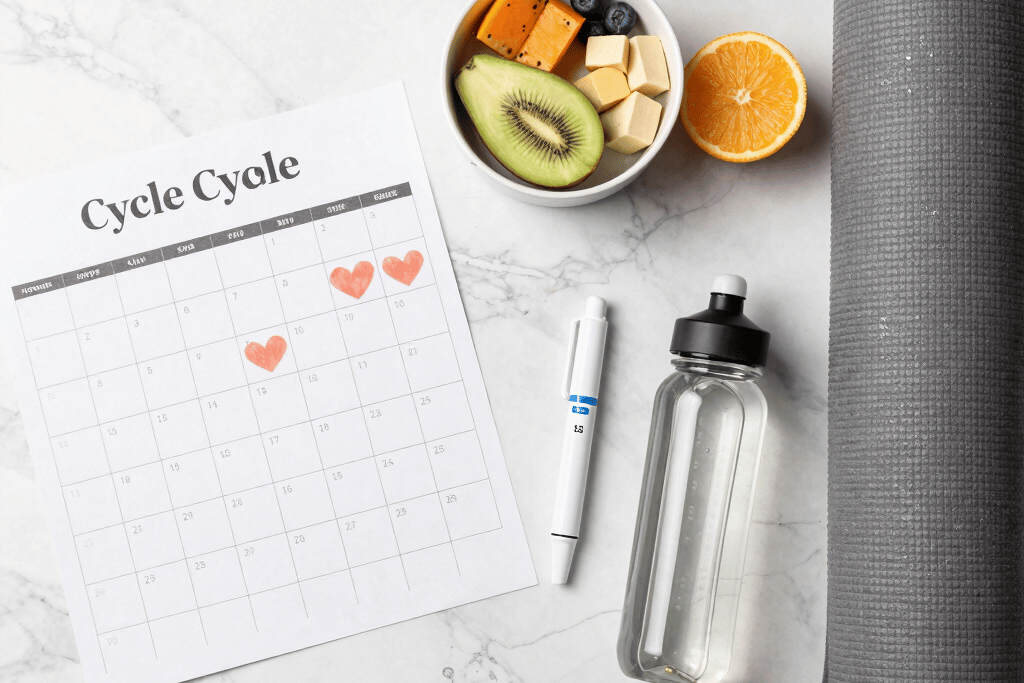
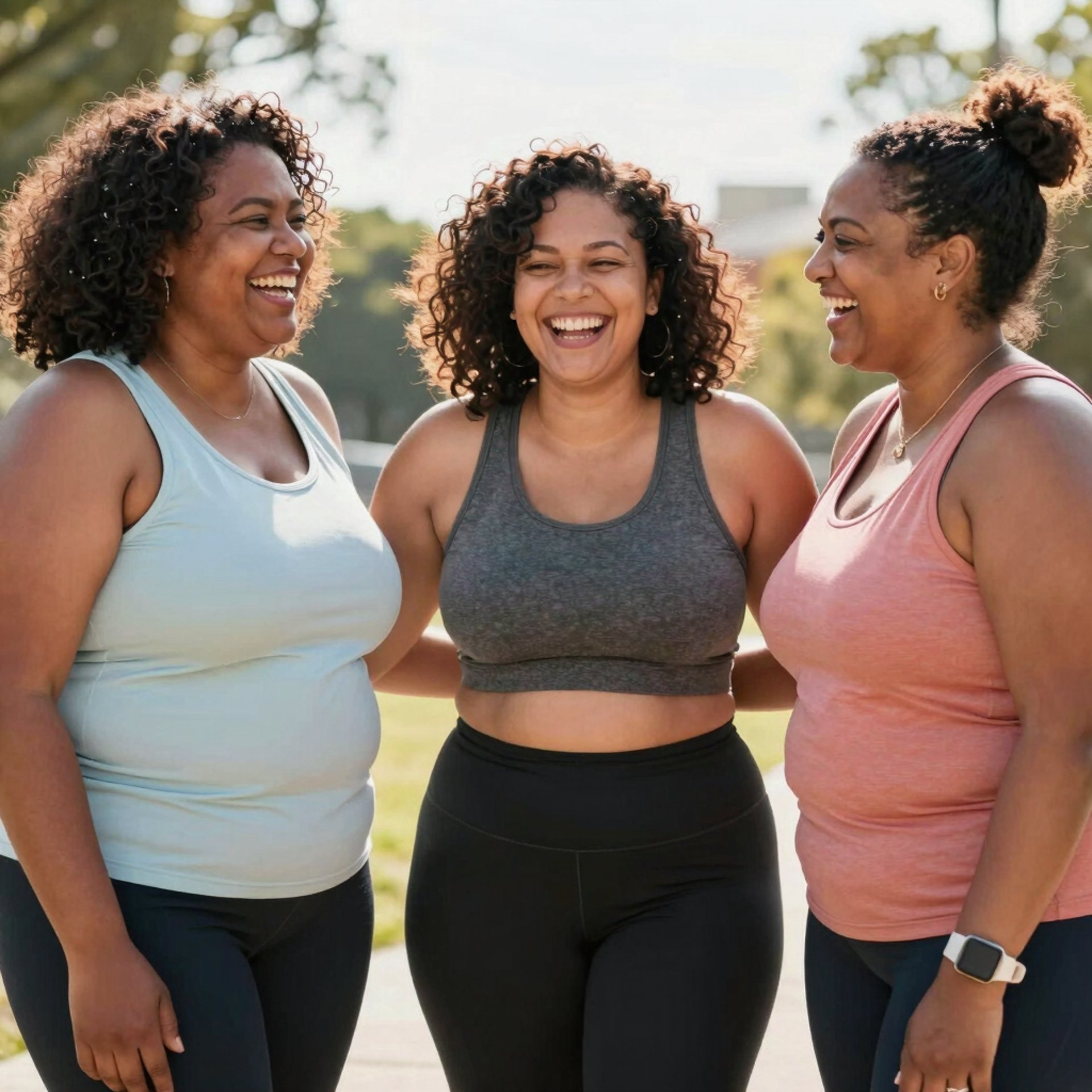
Weight loss tips for women
Doctor-approved GLP-1 plan tailored for your female body at home
Rated 4.8 stars
★★★★★