Nutrition Plan for Weight Loss in 2026: The Science-Backed Plan That Finally Works
WEIGHT LOSE
5/17/20265 min read
Understanding Effective Nutrition Plans for Weight Loss
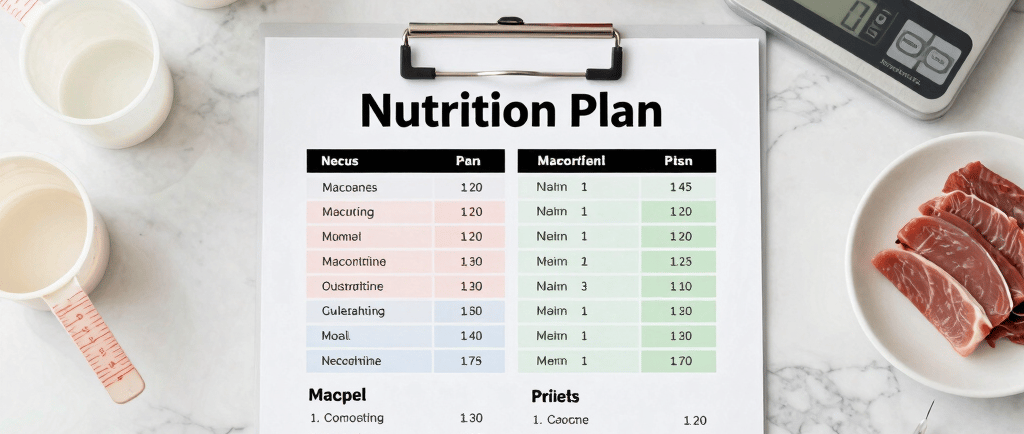
In 2026, a successful nutrition plan for weight loss hinges on several fundamental principles, supported by advancements in medical research. Central to these principles is the concept of macronutrient balance, which emphasizes the importance of carbohydrates, proteins, and fats working harmoniously to support metabolic health while promoting fat loss. Recent studies suggest that an optimal ratio of these macronutrients can enhance satiety, reduce hunger, and ultimately facilitate weight management.
Meal timing also plays a pivotal role in effective nutrition plans. The scientific community has been increasingly examining how the timing of food intake impacts metabolic responses and fat burning. For many individuals, consuming meals at consistent intervals can stabilize blood sugar levels, thus preventing spikes and crashes that often lead to unhealthy snacking. Furthermore, research indicates that aligning meal timing with circadian rhythms may enhance energy balance and weight loss success.
Quality of food is another critical element to consider. A focus on whole, nutrient-dense foods—rich in vitamins, minerals, and fiber—supports overall health and helps individuals feel satisfied longer. Such choices, as opposed to heavily processed foods, tend to limit excess caloric intake and promote a healthier weight reduction. Personalized nutrition becomes essential here, as individual preferences, dietary restrictions, and unique metabolic responses can significantly influence what constitutes an effective weight loss plan.
Creating a personalized approach involves assessment of lifestyle factors, psychological aspects, and nutritional preferences. By tailoring nutrition plans to suit individual needs, individuals are more likely to adhere to their regimens and achieve sustainable weight loss. Overall, understanding these core principles is vital for anyone looking to implement a nutrition plan that successfully supports weight loss initiatives in 2026.
Crafting Your Detailed Nutrition Plan for Weight Loss
Creating a nutrition plan that facilitates weight loss requires an understanding of various dietary principles, including caloric targets and macronutrient ratios. To effectively lose weight, it is essential to establish a daily caloric deficit, meaning you should consume fewer calories than your body expends. The general guideline is to aim for a deficit of 500 to 1,000 calories per day, which can yield a weight loss of approximately 1 to 2 pounds per week. However, these numbers can vary based on individual factors such as age, gender, activity level, and metabolic rate.
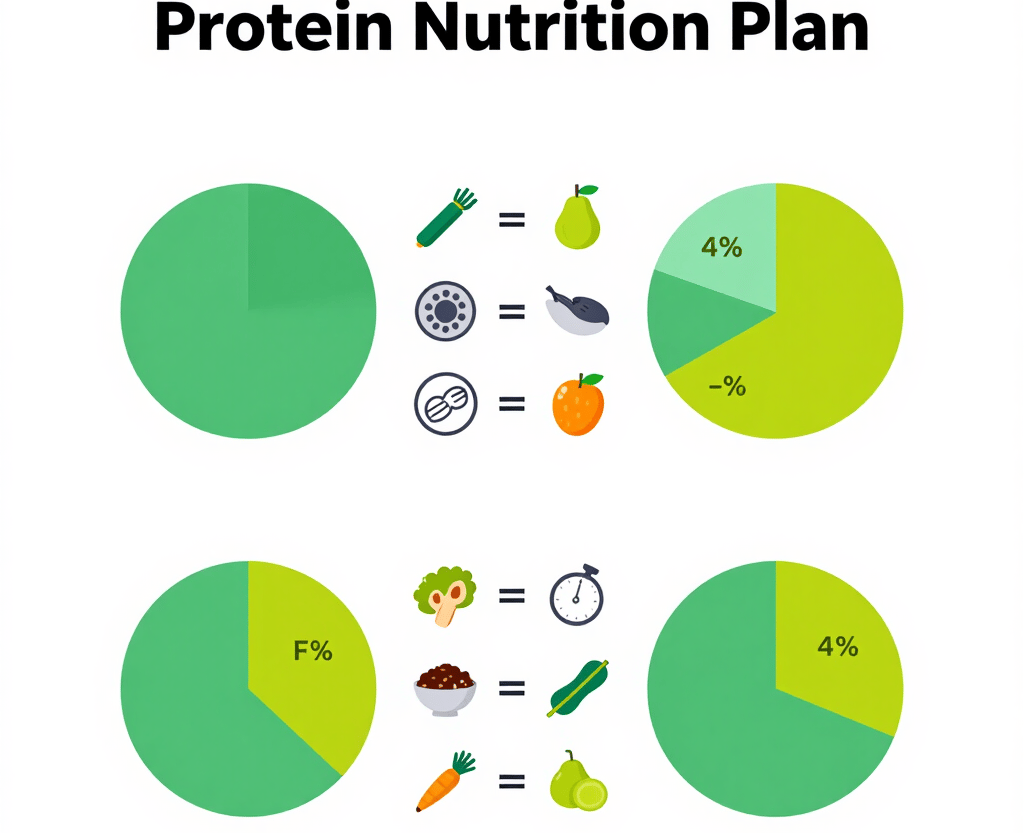
Macronutrient ratios are also critical when designing your plan. A common recommendation for effective weight loss is to distribute your caloric intake into approximately 40% carbohydrates, 30% protein, and 30% fats. This balance not only helps mitigate hunger but also ensures you’re receiving essential nutrients. Incorporating high-quality sources of protein, such as lean meats and legumes, can aid in maintaining muscle mass while losing weight. Similarly, healthy fats from avocados, nuts, and olive oil can promote satiety and enhance overall health.
To visualize these principles in action, consider the following sample daily menu:
Breakfast: A smoothie made with spinach, a banana, a scoop of protein powder, and almond milk.
Lunch: Grilled chicken salad with mixed greens, cherry tomatoes, cucumbers, and a vinaigrette.
Dinner: Baked salmon fillet, quinoa, and steamed broccoli.
Snacks: Greek yogurt with berries and a handful of almonds.
This menu provides a balanced intake of macronutrients while addressing caloric needs for weight loss.
Implementing such a structured plan not only supports weight reduction but also promotes a healthier lifestyle overall. It is essential to tailor this framework to your preferences and lifestyle for sustainability.
The Role of Hormonal and Metabolic Factors in Weight Loss
Weight loss is often perceived as a straightforward process of calorie reduction and increased physical activity. However, several hormonal and metabolic factors can significantly impact the effectiveness of a nutrition plan for weight loss. Understanding these biological responses is crucial for achieving sustainable weight loss goals.
One prominent factor is insulin resistance, which can develop when the body's cells become less responsive to insulin, leading to elevated blood sugar levels. This condition not only affects energy metabolism but can also promote fat storage, particularly in the abdominal area. When individuals with insulin resistance attempt to follow a calorie deficit, they may find that their efforts yield minimal results due to the body's adaptive mechanisms. Addressing insulin sensitivity through a balanced diet rich in fiber and low in refined carbohydrates can aid in navigating this challenge.
Another significant aspect is metabolic adaptation, a phenomenon where the body slows down its metabolic rate in response to prolonged calorie restriction. This adaptive response can create a plateau in weight loss after the initial phase, causing frustration for those adherent to their nutrition plan. To counteract this, implementing periodic refeeding days or strategizing caloric cycling can stimulate metabolism and promote continued weight loss progress.
Furthermore, the dysregulation of hunger hormones, such as ghrelin and leptin, can hinder weight loss efforts. Ghrelin, often termed the "hunger hormone," increases appetite, while leptin signals satiety. Prolonged dieting may lead to elevated ghrelin levels and reduced leptin sensitivity, causing increased cravings and difficulty in adhering to a low-calorie diet. To manage these hormones effectively, it is essential to focus on sufficient protein intake, balanced meals, and consistent meal timing.
In summation, recognizing and addressing hormonal and metabolic factors is key to creating a comprehensive nutrition plan for weight loss. This understanding ensures that individuals can develop tailored strategies that accommodate their unique biological responses, ultimately leading to more effective and lasting results.
Synergizing Nutrition Plans with GLP-1 Medications
The integration of GLP-1 medications, such as semaglutide and tirzepatide, with a structured nutrition plan has garnered significant attention in the realm of weight loss. GLP-1, or glucagon-like peptide-1, functions primarily to enhance feelings of satiety, thereby assisting individuals in adhering to their dietary regimen. By promoting the release of insulin while simultaneously suppressing the secretion of glucagon, these medications help stabilize blood sugar levels, reducing the likelihood of hunger hormone spikes that commonly derail weight loss efforts.
Clinical studies have showcased the effectiveness of GLP-1 medications in combination with nutrition plans. For example, participants utilizing semaglutide alongside a personalized meal strategy reported marked improvements in weight reduction when compared to those relying solely on dietary changes. The synergy between medication and nutritional guidance allows individuals to not only lose weight effectively but also to maintain these results over time.
Moreover, real-world patient outcomes reflect the efficacy of this combined approach. Individuals who engaged in structured support offered by licensed physicians experienced greater success in their weight loss journeys, benefitting from tailored dietary modifications that complemented the pharmacological action of GLP-1 medications. These patients reported improved satiety and reduced cravings, which are crucial factors in sustaining a calorie deficit necessary for weight loss.
To access such comprehensive weight loss solutions that merge GLP-1 medication with personalized nutritional counseling, individuals can consult with licensed healthcare professionals in the United States. These experts can provide individualized recommendations, monitoring progress, and adjusting both the nutrition plan and medication as needed, ultimately enhancing the likelihood of achieving sustainable weight loss goals.

Personalized Science-Backed Weight Loss
Doctor-approved GLP-1 program boosts your nutrition plan from home
Rated 4.9/5 stars
★★★★★