Metabolic Baseline: Overcoming Stubborn Belly Fat
Discover why willpower alone fails against stubborn belly fat. This comprehensive guide explores the role of cellular metabolism and genetic set-points in weight management. Learn about GLP-1 hormone therapies and how modern telehealth can empower your health journey from anywhere.
WEIGHT LOSE
6/7/20264 min read


Introduction
Many individuals often experience frustration in their weight loss endeavors, particularly when employing quick-fix strategies that promise immediate results. Despite their diligent efforts in adhering to restrictive diets or engaging in vigorous exercise regimes, many find that the scale remains stubbornly unmoved. This common scenario tends to create a sense of helplessness and self-blame, but the underlying reasons frequently extend beyond personal willpower.
When individuals face an elevated body mass index (BMI), the body can respond in remarkably complex ways. One major reaction involves the activation of defensive mechanisms rooted in human biology that respond to perceived calorie deprivation. In essence, when caloric intake is reduced, the body reacts instinctively by amplifying hunger signals, thus making it increasingly challenging to maintain any weight loss achieved. This biological response can often make weight loss feel elusive, as the body prioritizes survival over aesthetic goals.
Stubborn belly fat, in particular, should be understood within this context. It is not simply a manifestation of lack of willpower or self-discipline, but rather an indicator of deeper metabolic processes at play. Research indicates that factors such as hormonal imbalances and metabolic adaptations contribute significantly to fat retention, particularly in the abdominal area. Hence, approaching stubborn belly fat exclusively from a motivational standpoint may not only be misleading but could also hinder effective weight management strategies.
Recognizing that stubborn fat is a metabolic issue rather than merely a challenge of willpower allows for a shift in perspective. This understanding can empower individuals to seek strategies that address the root biological mechanisms, paving the way for more sustainable and realistic weight loss goals. By acknowledging the complexity of metabolism, individuals might engage in more tailored approaches, leading to successful outcomes over time.
The Truth About Cellular Energy Expenditure
The concept of cellular energy expenditure is a fundamental aspect of understanding how our bodies manage weight and fat. Central to this discussion is the resting metabolic rate (RMR), which reflects the minimum amount of energy required to sustain bodily functions while at rest. RMR represents a significant portion of our overall daily energy expenditure, making it crucial to comprehend its role in effective weight management.
When individuals attempt to lose weight through rigorous exercise and caloric restriction, they often assume that a significant calorie deficit will lead to fat loss. However, this approach can trigger various physiological responses that may counteract their efforts. The body, perceiving a lack of energy intake as a stressor, may enter an energy conservation mode. This adaptive mechanism can lead to a decrease in RMR as the body tries to preserve energy and survive during periods of caloric deficit.
As a result, individuals may find that despite their best efforts in maintaining a rigorous exercise routine and adhering to strict dietary guidelines, their weight loss plateaus, or even backtracks. This paradoxical response can be attributed to the body's inherent biology, which is finely tuned to handle times of energy scarcity. This resistance to weight loss during caloric restriction not only complicates dietary efforts but also inadvertently encourages the retention of stubborn belly fat.
Recognizing that traditional dieting methods may not align with our biological predisposition is crucial for developing more effective strategies for weight management. Advocating a balanced approach that emphasizes sustainable lifestyle changes, rather than drastic caloric cuts, can help mitigate the body's tendency to store fat under duress. Such an understanding enables individuals to foster a more harmonious relationship with their body’s metabolic functions, ultimately leading to more successful long-term weight management outcomes.
The Clinical Role of GLP-1 Hormone Therapies
In recent years, GLP-1 (glucagon-like peptide-1) hormone therapies have emerged as a significant advancement in the management of obesity and related metabolic disorders. These therapies harness the body’s natural mechanisms to enhance satiety and ultimately aid in weight management. Clinical studies have demonstrated that GLP-1 receptor agonists can significantly impact appetite regulation by acting on the brain's hunger centers, leading to reduced food cravings and consumption.
The primary benefit of GLP-1 hormone therapies lies in their capacity to promote stable insulin levels. By facilitating the secretion of insulin in response to meals and inhibiting glucagon release, these therapies help maintain blood glucose levels within a healthy range. This is vital for reducing the risk of insulin resistance, a key contributor to visceral fat accumulation. Ensuring consistently stable insulin levels not only supports metabolic health but also influences the body’s overall energy utilization.
Moreover, these modern treatment options offer a targeted approach to reducing visceral fat. Unlike traditional methods that often lead to drastic energy crashes, GLP-1 therapies work more gently with the body's biological pathways, promoting a sustainable weight loss process. This approach minimizes the risk of rebound weight gain—a common issue faced by individuals attempting to manage stubborn belly fat through willpower alone. By addressing the physiological factors contributing to obesity, GLP-1 hormone therapies provide an innovative alternative that combines efficacy with safety.
As research continues to evolve, the role of GLP-1 hormone therapies in obesity management is expected to expand, offering individuals more comprehensive tools for tackling persistent body fat challenges. The integration of these therapies into clinical practice reinforces the importance of a multifaceted approach to weight management—one that prioritizes health and well-being in conjunction with effective fat loss strategies.
Empowering Your Health from Anywhere
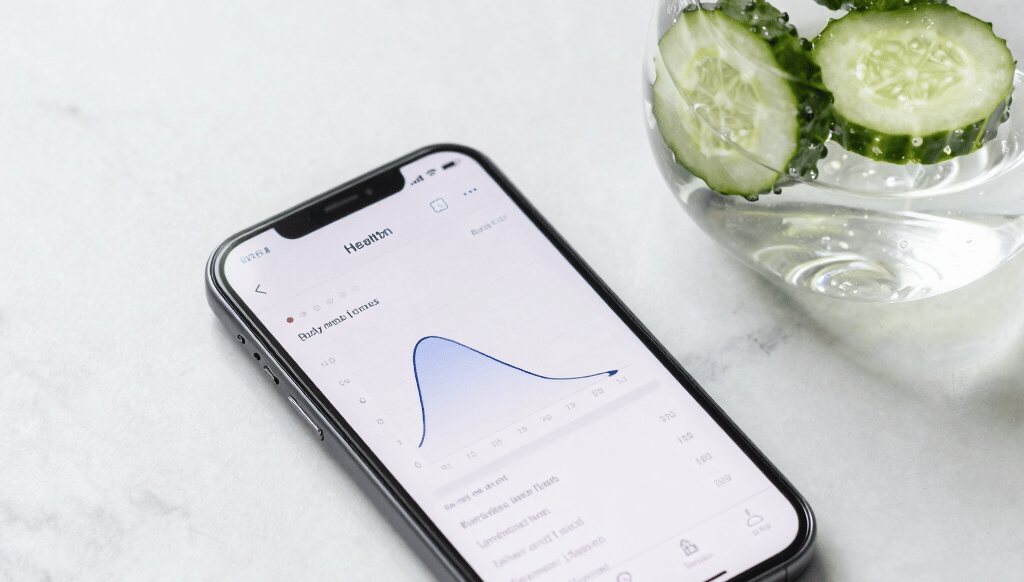
In today's fast-paced world, maintaining health and wellness has become increasingly challenging, especially for women who juggle multiple responsibilities. Fortunately, telehealth solutions have risen to meet this challenge, offering convenient and personalized health assessments that cater to individuals’ unique needs. These online platforms enable users to effortlessly gauge their health baselines through tools like Body Mass Index (BMI) evaluations, thereby laying a solid foundation for effective lifestyle changes.
Telehealth provides an accessible avenue to engage with certified medical professionals. Through virtual consultations, women can receive tailored guidance that fits seamlessly into their busy schedules. This flexibility means that obtaining health insights is no longer limited to traditional in-person visits; rather, it can be done from the comfort of one’s home, or even while on the go. Such accessibility ensures that women do not have to sacrifice their health for convenience, allowing for a more proactive approach to wellness.
Moreover, the personalized advice offered through telehealth platforms enables individuals to focus on actionable steps that align with their specific health goals. Whether it is advice on nutrition, fitness, or mental well-being, women are empowered to make informed choices that propel them towards their ideal health baseline. The ability to consult health professionals with ease ensures that support is always within reach, diminishing barriers that often prevent individuals from prioritizing their health.
Starting a health profile through these telehealth services provides women with a valuable resource. By embarking on this journey, they can unlock a wealth of knowledge tailored specifically to their health needs. Moving towards a healthier lifestyle is attainable with the right support, making now an opportune moment to take action.


Take control of your health
Clinician-guided GLP-1 programs that work with your biology to manage appetite and belly fat.
Rated 4.8/5 stars
★★★★★