How to Lose Weight on Your Face: Does "Burning" It Work? | Enlost
Trying to figure out how to lose weight on your face, whether you can actually burn face fat, or how can I lose weight in my face without wasting more time? Here's the complete, honest breakdown backed by real research.
WEIGHT LOSE
9/4/20266 min read


How to Lose Weight on Your Face: Does "Burning" It Work?
Somewhere in the search results for how to lose weight on your face, you've probably also seen the phrase "how to burn face fat" used as if it describes something different or more effective. It doesn't — but understanding why that word gets used so often, and what it actually means biologically, clears up a lot of the confusion around this topic. This guide answers how can I lose weight in my face honestly, working from what "burning" fat actually involves.
What "Burning" Fat Actually Means (And Doesn't)
"Burn" is a metaphor, not a mechanism — but it's rooted in something real. When your body is in a calorie deficit, fat cells release stored energy (triglycerides) to be used as fuel, primarily through a metabolic process that does involve oxidation, which is where the "burning" language originally came from. So in a loose sense, yes, fat is technically oxidized, similar to how a candle burns wax. What "burn face fat" implies that isn't true, though, is that this process can be triggered locally, in one specific area, through targeted effort. It can't. The oxidation process draws from fat stores across your entire body, and genetics — not the specific exercise or product you use — determine which areas contribute first.
This is the core misunderstanding behind most face-fat content that promises targeted results: the biology behind "burning" is real, but the targeting isn't.
How to Lose Weight on Your Face: What Actually Works
1. Build a moderate, sustained calorie deficit. This is the actual trigger for the fat-oxidation process described above — nothing else on this list works without it. Gradual, portion-aware eating produces steadier, more lasting results than extreme restriction, which often causes rebound weight gain that undoes progress.
2. Cut back on sodium. Excess salt causes water retention, which sits on top of and often masks your real fat-loss progress. The face — with its thin skin — shows this quickly, so cooking more meals at home rather than relying on processed or restaurant food produces some of the fastest visible change available.
3. Stay consistently hydrated. Counterintuitively, drinking enough water helps your body release retained fluid rather than hold onto it defensively.
4. Limit alcohol. Beyond its calorie content, alcohol competes directly with fat oxidation — while your body is processing alcohol, it prioritizes clearing that over burning stored fat, effectively pausing the process temporarily.
5. Prioritize sleep. Poor sleep raises cortisol and increases water retention, and research on sleep-restricted dieters shows inadequate sleep shifts weight loss composition toward more muscle and less fat, even at identical calorie intake.
6. Add regular cardio. Walking, cycling, and swimming sustain the calorie deficit that drives the fat-oxidation process throughout the body, which eventually shows up in the face.
7. Include strength training. Building or maintaining lean muscle mass supports a healthier metabolic rate and contributes to a more toned, defined appearance as fat decreases.
8. Correct your posture. Forward head posture from phone and laptop use can hide facial and jawline definition that's already there — a free, immediate improvement independent of any fat loss.
How Can I Lose Weight in My Face if I've Already Tried the Basics?
If you've attempted diet and exercise changes before without seeing facial results, a few common gaps are worth checking:
Sodium may have masked real progress. It's entirely possible to be in a genuine calorie deficit — with actual fat oxidation happening — and still look puffy if sodium intake stayed high, since water retention sits on top of and can hide your real progress.
Alcohol may have been quietly working against the process. Even moderate, regular drinking competes with fat oxidation on the days it's consumed, which can meaningfully slow visible progress if it's a frequent habit.
Sleep may have shifted your results toward muscle loss instead of fat loss. This is one of the most overlooked factors — the same calorie deficit can produce very different visible results depending on sleep quality, since poor sleep skews the fat-to-muscle ratio of what's actually lost.
The timeline may have been too short. Most people need 3-6 weeks of consistency before facial changes become clearly visible — evaluating progress after just a few days routinely leads to premature, inaccurate conclusions that something "isn't working."
Exercises That Support (But Don't Replace) the Process
These tone the muscle underneath your skin — they don't trigger fat oxidation directly, but they genuinely improve definition once fat loss happens through the habits above:
Cheek Puff and Hold — Fill your cheeks with air, hold 5-10 seconds, then push the air side to side. Repeat 10-15 times.
Jaw Release — Open your mouth as wide as comfortable, hold briefly, then close slowly.
Chin Lifts — Tilt your head back, pucker your lips toward the ceiling, hold, release.
Doing these 3-4 times a week supports muscle tone alongside the habits above — a genuinely useful addition, but not a substitute for the calorie deficit that actually drives the process.
Natural Fat Burning Matcha
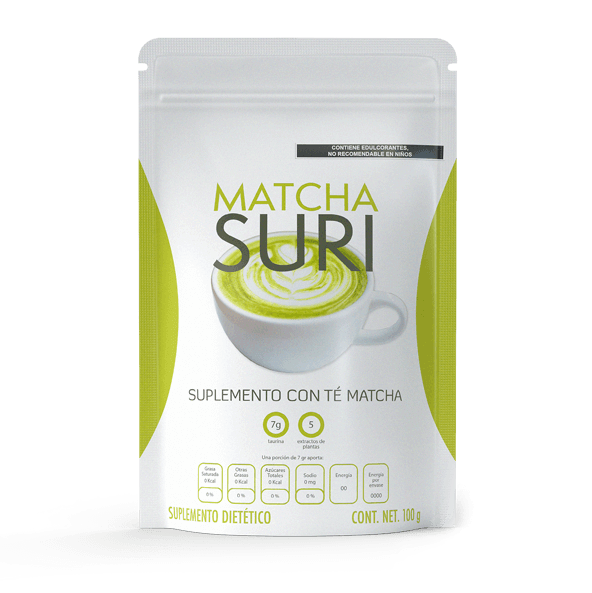

Powerful Japanese Matcha for fast fat burn, boosted metabolism & all-day energy.
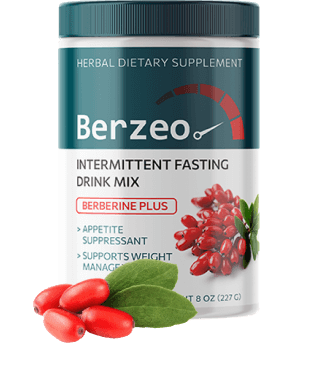

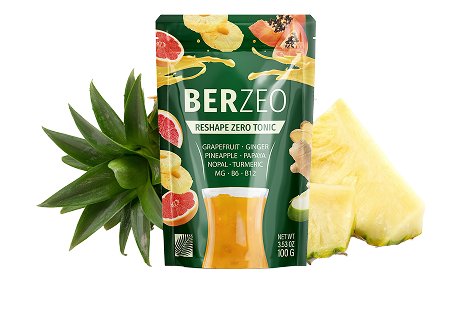
Advanced Fat Burner
Burn stubborn fat and lose weight effectively with Defenox.
Burn belly fat effectively with Berzeo’s advanced formula.
Ultimate Fat Burner
Puerto Rico's Top-Rated Weight Loss Programs — All in One Place
A Simple Weekly Routine
Daily: Minimal added salt, consistent hydration, posture awareness, 5-10 minutes of facial exercises
4-5x per week: 20-30 minutes of cardio
2-3x per week: Light strength training
Every night: Consistent sleep, 7-9 hours
Track progress with photos every 1-2 weeks rather than daily — facial appearance naturally fluctuates based on sodium, hydration, and sleep, so daily comparisons can be misleading and discouraging even when real fat oxidation is happening underneath.
What Doesn't Trigger Fat Oxidation, No Matter What It Claims
Jaw or facial exercise gadgets promising fat loss — no evidence they burn fat, though they may mildly tone muscle
Topical creams or wraps claiming to "melt" or "burn" facial fat — nothing applied to the skin's surface reaches or affects fat oxidation beneath it
Detox teas or cleanses — these primarily cause water loss or mild laxative effects, not fat oxidation
Any product claiming to specifically trigger fat burning in one chosen area — no credible mechanism supports this
Where Extra Support Fits In
For people who've been consistent with these habits and want additional support, some explore medically supervised weight loss programs, working with a licensed provider to determine what fits their situation. A few names that come up in this space include YuccaHealth and TMates. [You can explore our full weight loss resource guide here] to compare options before discussing anything with a healthcare provider.
Frequently Asked Questions
Is there really such a thing as "burning" face fat?
The underlying biology (fat oxidation) is real, but it can't be localized to the face specifically — it happens across the whole body based on genetics, not targeted effort.
How can I lose weight in my face faster than I have been?
Check whether sodium, alcohol, or poor sleep might be masking or slowing your real progress — these are the most common hidden factors that make an otherwise working approach feel ineffective.
Why does my face look different from the rest of my body's progress?
Genetics determine the order in which different body areas respond to fat loss, so it's normal for the face to lag behind or lead other areas during the same overall process.
Is there a food or drink that burns face fat specifically?
No — no food or drink has a demonstrated mechanism for triggering fat oxidation in one specific body area. Overall diet quality and a calorie deficit are what drive results.
The Bottom Line
"Burning" face fat is a real biological process — fat oxidation — but it happens throughout your whole body based on genetics, not through targeted effort at the face. A consistent calorie deficit, reduced sodium and alcohol, quality sleep, good posture, and regular movement are what actually trigger and sustain it. If previous attempts haven't shown results, the most common culprits are sodium masking progress, alcohol slowing oxidation, poor sleep skewing the fat-to-muscle ratio, or simply not giving the process enough time.