How to Get Fat Off Your Face: A Complete, Science-Backed Guide | Enlost
Wondering how to get fat off your face for good? Here's a clear, research-backed plan covering diet, exercise, and lifestyle habits that actually deliver lasting results.
WEIGHT LOSE
8/29/20265 min read


How to Get Fat Off Your Face: A Complete, Science-Backed Guide
If you're researching how to get fat off your face, the most useful thing you can do before trying anything is understand what's actually driving how full your face looks. This guide breaks that down clearly, then builds a realistic, research-backed plan around it — no shortcuts, no exaggerated promises.
What Determines How Much Fat Sits in Your Face
Overall body fat percentage — the biggest, most controllable factor
Genetics — some people naturally store more fat in the face and cheeks regardless of weight
Water retention — sodium, alcohol, hormones, and poor sleep cause temporary puffiness that's often mistaken for fat
Muscle tone — under-toned facial muscles can make a face look softer even at a lower body fat percentage
Posture — forward head posture can hide jawline definition that's already there
Aging and skin elasticity — reduced collagen over time changes how the face holds its shape
Why You Can't Target Fat in One Spot
This is called spot reduction, and it's one of the most persistent myths in fitness. Research on fat metabolism consistently shows that when your body burns fat, it draws from stores across your entire system — genetics decide the order, not the specific exercises or products you use. For some people, the face responds relatively early during weight loss; for others, it's one of the last areas to change.
This means getting fat off your face requires the same approach as losing fat anywhere else: a consistent calorie deficit over time, combined with habits that reduce water retention along the way.
Stop Guessing. Start Losing. We Found the Weight Loss Programs That Actually Work.
America's Top-Rated Weight Loss Programs — All in One Place
Medical Weight Loss
Licensed US doctors prescribe personalized GLP-1 programs from home. Fast 2-day delivery. No insurance needed.
GLP-1 Weight Loss
Doctor-prescribed Semaglutide or Tirzepatide delivered to your door. No insurance. No clinic visit required.
Natural weight loss supplement for women. Burns fat, reduces cravings, boosts energy. No prescription needed.
Natural Weight Loss


The Core Plan: What Actually Gets Fat Off Your Face
1. Build a moderate, sustainable calorie deficit. This remains the single biggest driver of fat loss anywhere in the body. Gradual, portion-aware eating produces steadier, longer-lasting results than extreme restriction, which often leads to rebound weight gain that undoes progress.
2. Cut back on sodium. Excess salt causes water retention, and the face — with its thin skin — shows this quickly and visibly. Processed foods, canned soups, and deli meats are common sources; cooking more meals at home gives you more control.
3. Stay consistently hydrated. It sounds backward, but drinking enough water helps your body release retained fluid rather than hold onto it, which can visibly reduce puffiness within a few days.
4. Limit alcohol. Alcohol is calorie-dense, disrupts sleep quality, and is a well-documented cause of next-day facial puffiness.
5. Prioritize sleep. Poor sleep raises cortisol and increases water retention, both of which can make your face look fuller than your actual body fat percentage suggests.
6. Add regular cardio. Walking, cycling, and swimming support the overall calorie deficit that drives fat loss throughout the body, which eventually shows up in the face.
7. Include strength training. Building or maintaining lean muscle mass supports a healthier metabolic rate and contributes to a more toned overall appearance as fat gradually decreases.
8. Correct your posture. Forward head posture from phone and laptop use can hide facial and jawline definition that's already there. Aligning your head over your spine is a free, immediate improvement.
Supporting the Process With Facial Exercises
These exercises tone the muscle underneath your skin — they don't burn fat directly, but they genuinely improve definition once fat loss happens through the habits above:
Cheek Puff and Hold — Fill your cheeks with air, hold 5-10 seconds, then push the air side to side. Repeat 10-15 times.
Jaw Release — Open your mouth as wide as comfortable, hold briefly, then close slowly.
Chin Lifts — Tilt your head back, pucker your lips toward the ceiling, hold, release.
Doing these 3-4 times a week supports muscle tone alongside the habits above — treat them as a supporting addition, not the main strategy.
What to Eat (and Avoid) Along the Way
Prioritize protein at each meal to preserve muscle mass during a deficit — eggs, chicken, fish, and Greek yogurt are solid choices.
Increase fiber intake through vegetables, fruits, and whole grains to support digestion and satiety on fewer calories.
Reduce refined carbs and added sugar, which are linked to higher overall calorie intake and can contribute to inflammation and fluid retention.
Cut liquid calories — sugary drinks and excess alcohol add up fast without contributing to fullness.
A Simple Weekly Routine
Daily: Minimal added salt, consistent hydration, posture awareness, 5-10 minutes of facial exercises
4-5x per week: 20-30 minutes of cardio
2-3x per week: Light strength training
Every night: Consistent sleep, 7-9 hours
Track progress with photos every 1-2 weeks rather than daily — facial appearance naturally fluctuates based on sodium, hydration, and sleep, so daily comparisons can be misleading and discouraging even when real progress is happening.
Common Mistakes That Slow Down Results
Relying only on facial exercises — they tone muscle but don't burn fat; pairing them with diet and cardio is essential.
Crash dieting — often causes rapid water loss that looks dramatic short-term, followed by rebound weight gain.
Ignoring sodium while focusing only on calories — you can be in a deficit and still look puffy if sodium intake stays high.
Expecting daily visible change — fat loss isn't linear; weekly tracking gives a far more accurate picture.
Frequently Asked Questions
How long does it take to get fat off your face?
Most people notice visible changes within 3-6 weeks of consistent habits, though timelines vary based on genetics and starting point.
Is there a specific food or drink that removes face fat?
No — no ingredient burns fat from a specific area. Overall diet quality and a calorie deficit are what drive results.
Why does my face look puffier some days than others?
Sodium, alcohol, sleep, and hydration all affect short-term facial puffiness far more than actual fat levels, which change more slowly.
Do I need to lose a lot of weight to see a difference in my face?
Not necessarily — even a modest, sustained fat loss combined with reduced water retention can produce a visibly slimmer look.
The Bottom Line
Getting fat off your face comes down to the same fundamentals as fat loss anywhere else in the body: a consistent calorie deficit, reduced sodium and alcohol, quality sleep, good posture, and regular movement. None of it happens overnight, but followed consistently over several weeks, it produces real, lasting change.
Natural Fat Burning Matcha
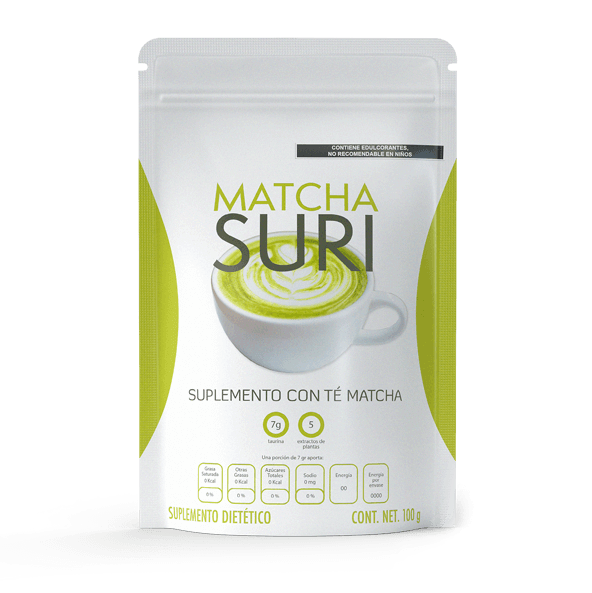
Powerful Japanese Matcha for fast fat burn, boosted metabolism & all-day energy.


Advanced Fat Burner
Burn stubborn fat and lose weight effectively with Defenox.
Burn belly fat effectively with Berzeo’s advanced formula.
Ultimate Fat Burner