How Does GLP-1 Work for Weight Loss in 2026: The Beginner's Complete Guide
WEIGHT LOSE
5/25/20264 min read
Understanding GLP-1: What Is It?
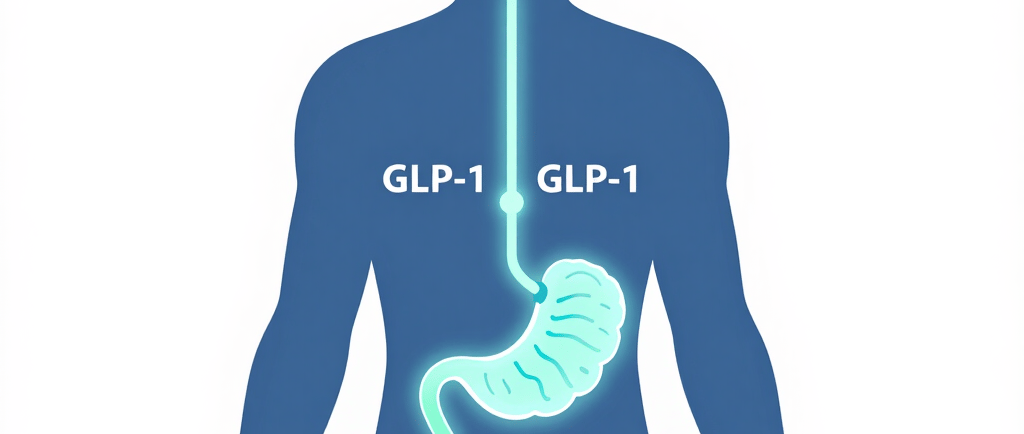
Glucagon-like peptide-1, commonly referred to as GLP-1, is a naturally occurring hormone in the human body that plays a crucial role in multiple metabolic processes. It is secreted by the intestinal L-cells in response to food intake, particularly following the consumption of carbohydrates and fats. As a key component of the incretin system, GLP-1 facilitates various physiological functions related to digestion and energy regulation.
One of the primary functions of GLP-1 is to enhance insulin secretion from the pancreas. Insulin is a hormone essential for travel in the bloodstream and regulates glucose levels, thus maintaining energy balance. Concurrently, GLP-1 works to inhibit the release of glucagon, a hormone responsible for increasing blood sugar levels. Together, these actions help to stabilize blood glucose and sustain energy levels throughout the day.
Moreover, GLP-1 has a significant impact on appetite regulation. It signals to the brain that the body is satiated, reducing feelings of hunger and, consequently, food intake. This appetite-suppressing effect can be particularly beneficial for individuals aiming to lose weight. By helping to control feelings of hunger, GLP-1 encourages healthier eating patterns and can play a supportive role in weight management strategies.
In summary, GLP-1 is a multifaceted hormone that not only regulates blood sugar levels but also oversees appetite control. Understanding how GLP-1 functions lays the groundwork for exploring its potential for weight loss therapies and management, especially as new treatments continue to evolve in 2026.
The Mechanism: How GLP-1 Promotes Weight Loss
GLP-1, or glucagon-like peptide-1, is a naturally occurring hormone that plays a crucial role in regulating appetite, digestion, and glucose metabolism. Its primary function in promoting weight loss can be attributed to three main actions: slowing gastric emptying, reducing hunger, and regulating blood sugar levels. Understanding these mechanisms provides insight into how GLP-1 aids in maintaining a healthy weight.
Firstly, GLP-1 slows down the process of gastric emptying, meaning that food moves more slowly from the stomach to the intestines. This delay not only enhances feelings of fullness after eating but also prevents rapid spikes in blood sugar levels. For example, when a meal is digested gradually, the body can better manage insulin release, leading to stabilized glucose levels, which is essential for weight management.
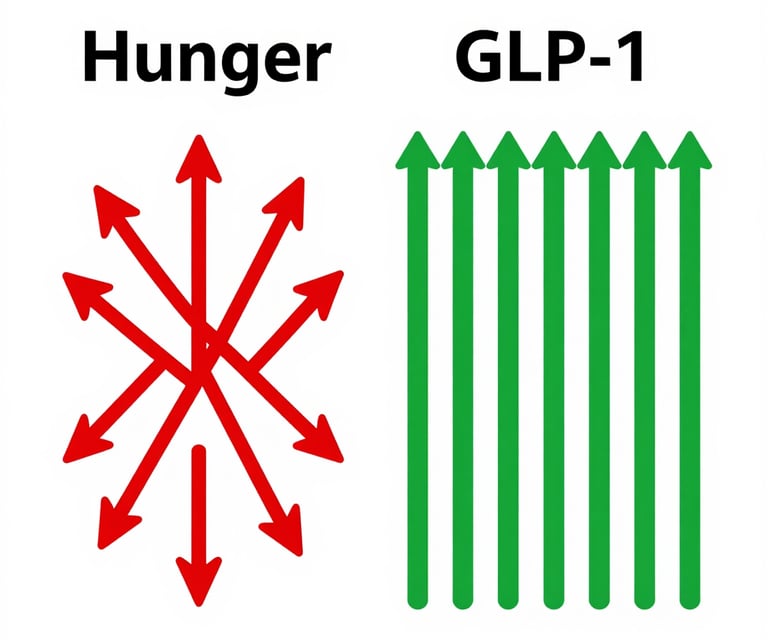
Secondly, GLP-1 has a direct impact on appetite regulation. The hormone acts on specific areas of the brain that control hunger signaling, helping individuals feel satiated and less inclined to overeat. This appetite-suppressing effect can make it easier to adhere to a balanced diet, further supporting weight loss efforts. People using GLP-1 receptor agonists have reported reduced cravings, allowing for more mindful eating habits.
Lastly, by enhancing insulin secretion in response to meals and inhibiting glucagon release, GLP-1 plays an essential role in blood sugar control. Improved glycemic control is significant not only for individuals with diabetes but also for preventing excessive calorie storage as fat. With a more efficient glucose utilization process, the body is less likely to store excess energy, thereby contributing to weight loss.
In summary, the multifaceted actions of GLP-1—slowing digestion, reducing appetite, and regulating blood sugar—demonstrate its integral role in facilitating weight loss and promoting overall health. Understanding these mechanisms can empower individuals to make informed decisions about their weight management strategies.
Semaglutide: The GLP-1 Mimicker for Weight Loss
Semaglutide is a synthetic medication designed to mimic the function of the GLP-1 hormone, which plays a crucial role in regulating appetite and glucose metabolism. Originally used as a treatment for type 2 diabetes, semaglutide has gained attention for its significant efficacy in promoting weight loss. By enhancing the effects of GLP-1, semaglutide helps individuals feel fuller after eating, thereby reducing the overall caloric intake.
The administration of semaglutide involves a once-weekly injection, which is often preferred for its convenience compared to daily medication regimens. Research studies have shown that individuals using semaglutide for weight management can expect to lose a substantial percentage of their body weight over a specified duration. Clinical trials have indicated that participants lost, on average, around 15% of their body weight, attributed to the appetite-suppressing effects of the medication.
Moreover, semaglutide has demonstrated a favorable safety profile, making it a viable option for many seeking to manage obesity. Common side effects may include gastrointestinal discomfort, such as nausea and diarrhea; however, these symptoms often diminish over time as the body adjusts to the medication. It is advisable for individuals considering semaglutide to consult with healthcare professionals to ensure it is a suitable choice for their health journey.
In summary, semaglutide is a groundbreaking GLP-1 mimicker that not only aids in weight loss but also enhances overall metabolic health. Its purpose extends beyond mere weight reduction, contributing to improved outcomes for those with obesity-related health conditions. As a part of a comprehensive weight loss plan, semaglutide holds significant promise for those beginning their journey towards a healthier lifestyle.
Getting Started with GLP-1 Treatment: Your Path to Weight Loss
Embarking on your weight loss journey with GLP-1 treatment is an empowering decision that can lead to significant lifestyle changes. GLP-1 medications, known for their effectiveness in weight management, function by mimicking hormones that regulate appetite, leading to lower food intake and increased satiety. If you are in the United States and considering this option, services like Yucca Health can connect you seamlessly with licensed physicians who specialize in these treatments.
The first step towards starting GLP-1 treatment involves scheduling a consultation with a healthcare provider through a reputable telehealth service. During this consultation, your physician will evaluate your medical history and discuss your weight loss goals to determine if GLP-1 is the right fit for you. This personalized approach ensures that any treatment plan aligns with your unique health needs, setting the stage for a successful journey.
Once deemed eligible for treatment, your physician will guide you through the process of obtaining medication, which may include prescriptions for popular GLP-1 options such as semaglutide or liraglutide. Many patients report significant weight loss achievements, with some sharing their testimonials highlighting the positive impact these medications have had on their lives. These stories often reflect not only weight loss but also improvements in energy levels and overall well-being.
Moreover, starting treatment from home can be advantageous, especially for those with busy schedules. The convenience of at-home administration allows you to incorporate GLP-1 therapy into your routine without the interruption of frequent visits to the clinic. As you engage with this treatment method, remember that lifestyle modifications, including diet and exercise, can further enhance your results and help you achieve lasting weight loss.

Start your GLP-1 journey now
Licensed US physician reviews and personalized plans within 24 hours
Rated 5 stars
★★★★★