Calorie Deficit Results in 2026: Why Traditional Counting Fails and What Fast Weight Loss Before and After Actually Shows
WEIGHT LOSE
Admin
5/17/20268 min read
Understanding Calorie Deficit: Theory vs. Reality
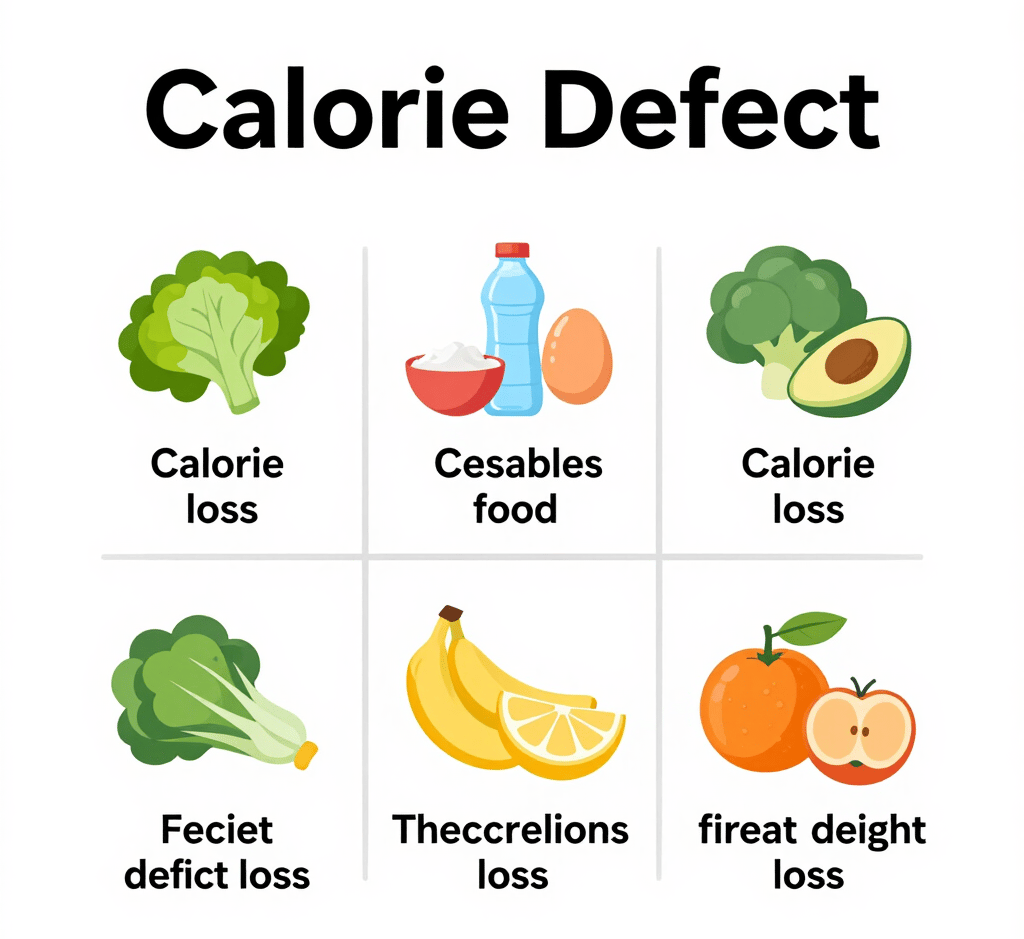
The concept of a calorie deficit is central to many weight loss strategies and is rooted in the fundamental principle that to lose weight, one must consume fewer calories than the body expends. This can be represented by the basic mathematical equation: eat less than you burn. While this theory serves as a straightforward guide to understanding weight loss, its application in real life is often fraught with challenges and misconceptions.
At its core, a calorie deficit implies that if a person burns more calories through physical activity and basic metabolic functions than they consume through food and beverages, they will lose weight. This equation underpins countless dietary guidelines and weight loss programs. However, the reality of achieving and maintaining this deficit is much more complex. Various factors, including metabolic adaptation, individual body composition, and psychological elements play significant roles that can affect calorie expenditure and intake.
For instance, individuals may underestimate the number of calories they consume or overestimate their calorie burn during physical activities. Moreover, weight loss can lead to metabolic slowdown, resulting in less energy burned at rest as one loses body mass. This phenomenon often makes it harder for individuals to maintain their chosen calorie deficit over time. Furthermore, many find themselves trapped in cycles of restriction and binge eating, further complicating the process of adhering to a calorie deficit.
It is also crucial to consider that not all calories are created equal; the source of calories significantly impacts how the body processes them. Nutrient-dense foods can lead to improved satiety and overall health compared to energy-dense, low-nutrient options, emphasizing that the quality of calories consumed is as important as overall caloric limitation. In summary, while the mathematical equation of calorie deficit is straightforward, the intricacies of human behavior, metabolism, and food choices present real-world challenges that must be navigated thoughtfully for effective weight loss.
The Calorie Deficit Plateau: Why Progress Stalls
When individuals embark on a weight loss journey through calorie counting, a common occurrence is hitting a plateau. This phenomenon can be both frustrating and demotivating, as initial results may seem promising, only to later stall despite adherence to the calorie deficit. Several factors contribute to the stagnation of progress, including metabolic adaptation and changes in energy expenditure.
Metabolic adaptation occurs as the body adjusts to a lower calorie intake. When you consistently consume fewer calories over time, your metabolism may slow down to conserve energy. This means that even with an established calorie deficit, the body burns fewer calories than before, making weight loss increasingly difficult. Additionally, changes in physical activity and exercise routines can also influence energy expenditure. As individuals lose weight, their body requires fewer calories for maintenance, which can further impact progress.
Psychologically, hitting a plateau can lead to frustration and feelings of helplessness. This emotional response may result in a decrease in adherence to calorie counting as individuals may start to deviate from their plan. Recognizing these psychological triggers is crucial for maintaining motivation during periods of stagnation.
To overcome these plateaus, several strategies can be effective. First, consider reassessing your caloric needs as you lose weight, ensuring that your calorie deficit remains appropriate for your current body composition. Incorporating variations in exercise routines, such as strength training or high-intensity interval training (HIIT), can also elevate energy expenditure. Additionally, taking breaks or implementing refeed days may help reset metabolic activity and improve motivation.
Hidden Factors Influencing Weight Loss Beyond Calories
While creating a calorie deficit is indeed a fundamental principle in weight loss, an array of hidden factors significantly influences weight loss results that extend beyond simple calorie counting. Understanding these elements can offer a more comprehensive perspective on why individuals may battle to achieve their desired weight, even when adhering strictly to caloric guidelines.
One primary factor is hormonal influences. Hormones, such as insulin, ghrelin, and leptin, play crucial roles in regulating appetite and fat storage. For instance, high insulin levels can impede fat breakdown, whereas inadequate leptin, sometimes resulting from sleep deprivation or chronic stress, can lead to increased hunger and cravings. These hormonal variations can create substantial barriers to effective, fast weight loss.
Furthermore, individual metabolic rates—how quickly a body burns energy—diverge significantly among people. Factors such as age, gender, genetics, and body composition all contribute to one’s metabolism, which affects how many calories one expends at rest and during activity. Thus, two individuals consuming the same number of calories may experience very different weight loss outcomes due to their unique metabolic rates.
Additionally, appetite-regulating hormones can differ in levels during various stages of weight loss. When a person is in a caloric deficit, the body may increase ghrelin production, which signals hunger, while decreasing leptin, the hormone that promotes satiety. This reaction can lead to a relentless cycle of hunger and reduced energy levels, making sustainable weight loss more challenging.
By acknowledging these hidden factors, individuals can adopt a more personalized approach to weight management, moving beyond traditional calorie counting methods to include strategies that consider hormonal balances, metabolic rates, and appetite regulation. This holistic perspective can significantly enhance the likelihood of achieving and maintaining desired weight loss results.
Diverse Results: Why Some Succeed While Others Struggle
The journey toward weight loss through a calorie deficit is often depicted as a straightforward equation: consume fewer calories than one expends. However, the reality is far more complex, as individuals experience varying results despite adhering to similar calorie deficits. This disparity can be attributed to several factors, including genetic predispositions, lifestyle choices, and psychological influences.
Genetic factors play a significant role in determining how effectively an individual can lose weight. Research indicates that genetics can influence metabolism, fat distribution, and even cravings. For example, some individuals may possess genetic traits that predispose them to a slower metabolism, which may impede their ability to achieve a calorie deficit effectively. Conversely, others may find it easier to maintain or reach a calorie deficit due to a more favorable metabolic rate.
Lifestyle factors also contribute to the success of weight loss efforts. Variables such as sleep quality, physical activity levels, and stress management can markedly affect weight loss outcomes. Sleep deprivation, for instance, can lead to hormonal imbalances that increase appetite and cravings, making it harder for individuals to adhere to their calorie restrictions. Likewise, a sedentary lifestyle can hinder weight loss goals by decreasing the amount of calories burned.
Psychological elements further complicate the weight loss journey, impacting motivation and adherence to dietary changes. Emotional eating, stress, and self-image issues can create barriers to maintaining a calorie deficit. Individuals who struggle with these psychological challenges may find that, despite following a calorie deficit, their results are not as significant as those who are able to manage their mental and emotional health effectively.
In summary, weight loss is not merely a matter of consuming fewer calories. The interplay of genetic, lifestyle, and psychological factors shapes each individual’s experience, leading to diverse outcomes in their pursuit of achieving a calorie deficit and related weight loss results.
The Role of GLP-1 Medications in Achieving Calorie Deficit Results
In the quest for effective weight loss solutions, GLP-1 (glucagon-like peptide-1) medications have emerged as a promising avenue for individuals aiming to achieve a calorie deficit. These medications mimic the effects of naturally occurring hormones in the body, which play a crucial role in regulating appetite and glucose metabolism. By enhancing the secretion of insulin while suppressing glucagon release, GLP-1 medications effectively promote a state conducive to weight loss.
A primary mechanism by which GLP-1 medications operate is by inducing feelings of satiety, which subsequently leads to reduced caloric intake. For individuals who struggle with hunger signals, the appetite-suppressing qualities of these medications can significantly ease the burden of adhering to a calorie deficit. This decreased urge to consume food can transform the weight loss journey, allowing individuals to focus on maintaining a healthier lifestyle without the constant struggle against cravings.
Furthermore, these medications play a pivotal role in accelerating fast weight loss transformations. By streamlining the process of maintaining a calorie deficit, GLP-1 medications remove many psychological barriers associated with traditional dieting. Individuals often report that they can eat less without the discomfort of hunger, making the experience of weight loss not only more attainable but also more sustainable over the long term.
The integration of GLP-1 medications into weight management strategies represents a significant advancement in weight loss approaches. By addressing the physiological aspects of appetite regulation, these medications provide a viable alternative for those who have found traditional calorie counting ineffective. As research continues to evolve, the understanding of how GLP-1 medications can assist in achieving calorie deficit results promises to offer valuable insights into the future of weight management.
Real Patient Comparisons: Calorie Counting vs. GLP-1 Plus Deficit
In the ongoing discussion about effective weight loss strategies, two prominent approaches are calorie counting and the use of GLP-1 (glucagon-like peptide-1) medications in conjunction with a calorie deficit. To understand their effectiveness, we can analyze comparative case studies of real patients who have experimented with these methods.
One case involved a 45-year-old female who adhered to a strict calorie-counting regimen, aiming for a deficit of 500 calories per day. Over six months, she reported a weight loss of approximately 15 pounds. While she achieved some success, the process was fraught with challenges, including constant hunger, mood fluctuations, and a feeling of deprivation. This highlights a key downside to traditional calorie counting—while it may facilitate initial weight loss, sustainability often remains elusive due to the psychological impacts of strict dietary restrictions.
Conversely, a 50-year-old male patient utilized GLP-1 medication while also targeting a calorie deficit. Within the same six-month period, he recorded a weight loss of about 30 pounds. The introduction of GLP-1 not only aided in hunger regulation but also improved satiety after meals. This patient reported fewer cravings and a more manageable appetite, which significantly contributed to his adherence to a healthier lifestyle. Notably, he also experienced improvements in his metabolic health markers, such as blood sugar levels.
Patients who incorporated GLP-1 medications into their weight loss strategies demonstrated a more stable and sustainable approach compared to those relying solely on calorie counting. The lessons learned from these case studies underscore the importance of considering the psychological and physiological impacts of weight loss methods. More individualized approaches can enhance patient outcomes by addressing not only calorie intake but also hormonal and metabolic responses to food.
Practical Steps to Achieve Calorie Deficit and Fast Weight Loss Now
Achieving a calorie deficit and experiencing fast weight loss can be effectively managed through a series of practical steps that can be implemented immediately. First, consider re-evaluating current dietary habits. Reducing portion sizes and opting for whole, nutrient-dense foods over processed items can markedly decrease calorie intake. Incorporating more vegetables and high-fiber foods can enhance satiety, enabling you to consume fewer calories without feeling deprived.
In tandem with dietary adjustments, implementing a suitable exercise routine can boost your metabolism and increase calorie burn. Engaging in high-intensity interval training (HIIT) has been shown to yield fast weight loss results, as it allows individuals to burn a significant number of calories in short bursts. Additionally, walking or cycling for at least 30 minutes each day can further aid in creating a calorie deficit, especially when combined with dietary modifications.
Moreover, lifestyle changes are paramount in sustaining a calorie deficit. Prioritizing sleep can positively influence hunger hormones and metabolic processes, thus supporting weight loss efforts. Limiting distractions during meals, such as electronic devices, encourages mindful eating, which can help in recognizing fullness cues, reducing overeating. Staying hydrated is also vital; drinking water before meals can lead to lower calorie consumption.
Ultimately, establishing a routine that combines dietary changes, exercises, and lifestyle adjustments can lead to a significant calorie deficit and fast weight loss within a short timeframe. By focusing on these practical strategies, individuals can embark on their weight loss journey, leading to noticeable changes in their physique and overall health.



Stop Struggling with Calories
Get real calorie deficit results with doctor-approved GLP-1, fast and effortless.
Rated 4.8/5 Stars
★★★★★