What is GLP-1 and How Does It Help Women Lose Weight Fast in 2026?
WEIGHT LOSE
5/15/20268 min read


Understanding GLP-1: The Basics
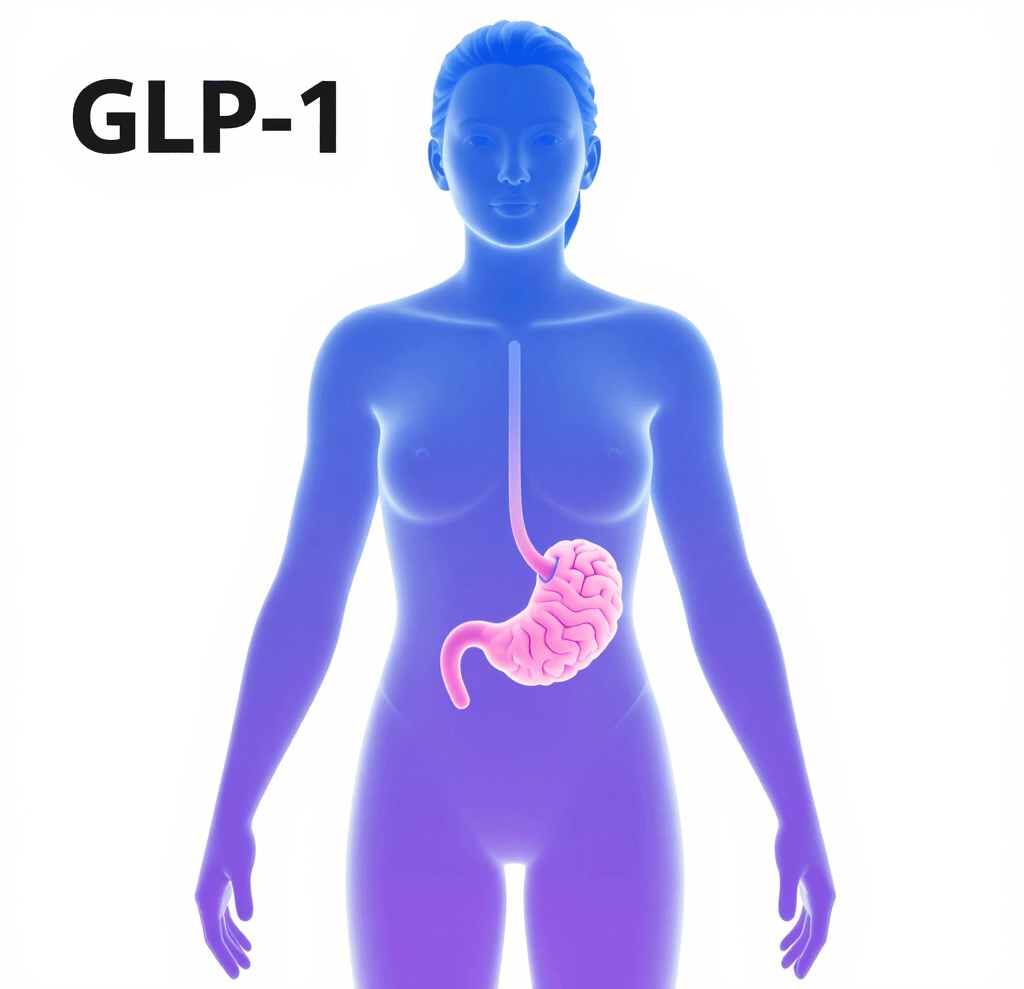
Glucagon-like peptide-1 (GLP-1) is a vital hormone that plays a significant role in regulating various physiological processes in the body, particularly those related to appetite control and glucose metabolism. It is classified as an incretin hormone, meaning it is released from the intestines in response to food intake. The primary functions of GLP-1 include enhancing insulin secretion, suppressing glucagon release, and slowing gastric emptying, all of which collectively contribute to glucose homeostasis.
Upon the consumption of food, GLP-1 is secreted from the L-cells in the intestinal mucosa. This release is stimulated by nutrient ingestion, specifically carbohydrates and fats, which highlights its role in mediating the body's response to food. Once released, GLP-1 travels through the bloodstream to the pancreas, where it signals insulin-producing beta cells to increase their insulin production. This process helps lower blood glucose levels post-meal, thereby mitigating the risk of hyperglycemia.
Importantly, GLP-1 also targets areas of the brain responsible for appetite regulation. By acting on the hypothalamus, GLP-1 helps induce a feeling of fullness, thereby leading to reduced food intake. This appetite-suppressing effect is a crucial aspect of its functionality in weight management, especially in women seeking to lose weight rapidly. Additionally, GLP-1 influences energy expenditure by promoting fat utilization and preserving lean muscle mass, which are critical factors in achieving and maintaining a healthy weight.
In summary, GLP-1 is not just a hormone involved in glucose management; it is a key player in regulating hunger and satiety. Understanding its functions provides insights into its potential for aiding weight loss strategies, particularly for women aiming to shed pounds efficiently in the current era.
The Science Behind GLP-1 and Weight Loss
Glucagon-like peptide-1 (GLP-1) is a hormone produced in the intestines in response to food intake. It plays a crucial role in regulating blood sugar levels, but recent research has shown its significant impact on weight loss, particularly through appetite control and metabolism enhancement. GLP-1 medications have been developed to leverage these natural physiological processes, providing new options for individuals looking to lose weight efficiently.
One of the primary mechanisms by which GLP-1 aids in weight loss is by promoting satiety. When GLP-1 is released into the bloodstream, it signals the brain to reduce hunger. This delay in gastric emptying prolongs feelings of fullness after meals, making it easier for individuals to consume fewer calories throughout the day. By engaging with specific receptors in the brain, GLP-1 effectively curbs the desire to eat, thereby setting the stage for weight loss.
Moreover, GLP-1 medications are designed to enhance insulin secretion when blood glucose levels are elevated, which can help manage weight by stabilizing energy levels and preventing fat storage. This dual action not only fosters a healthier metabolism but also contributes to the overall hormonal balance necessary for significant weight loss. Importantly, GLP-1 can also affect the body’s response to stored fat, enhancing lipid metabolism while reducing fat mass over time.Another aspect to consider is the side effects often associated with GLP-1 medications, which may include gastrointestinal issues like nausea or diarrhea. While some individuals may find these side effects challenging, they can be mitigated by starting with lower doses and gradually increasing intake. As a result, understanding the science behind GLP-1 can illuminate how these medications can be an integral part of a comprehensive weight loss strategy for women aiming to lose weight rapidly in 2026.
Semaglutide vs. Tirzepatide: Key Differences
Semaglutide and tirzepatide are both GLP-1 receptor agonists that have gained significant attention for their effects on weight management and glycemic control. While they share some similarities, there are crucial differences between the two medications that may influence the choice of treatment for women seeking to lose weight.
Semaglutide works primarily by mimicking the functions of glucagon-like peptide-1 (GLP-1), leading to increased insulin secretion in response to meals, a reduction in glucagon secretion, and a delay in gastric emptying. This mechanism contributes to the feeling of fullness and helps regulate appetite. Clinical trials have demonstrated the effectiveness of semaglutide in promoting substantial weight loss and improving metabolic health.
Tirzepatide, on the other hand, is a dual-action medication that activates both GLP-1 and glucose-dependent insulinotropic polypeptide (GIP) receptors. The dual action of tirzepatide potentially offers enhanced effects on postprandial glucose levels and weight loss. Research suggests that individuals using tirzepatide may experience greater weight reduction than those taking semaglutide. However, specific results can vary based on individual metabolic responses.
In terms of dosing, semaglutide is typically administered weekly, while tirzepatide may be available in options that allow for flexible dosing schedules. Side effects for both medications may include gastrointestinal disturbances, such as nausea and diarrhea, although the intensity and prevalence of these effects can differ. Some studies indicate that tirzepatide may lead to fewer digestive issues compared to semaglutide.
Women considering these medications should consult with healthcare professionals to assess their unique health circumstances and determine which medication aligns best with their weight loss goals and tolerance for potential side effects.
GLP-1 medications have emerged as a significant option for individuals seeking effective weight management strategies, particularly for women who have encountered challenges with weight loss. Ideal candidates for GLP-1 therapy primarily include those who are classified as overweight or obese, defined by a Body Mass Index (BMI) of 27 or higher, especially if they have related health issues such as type 2 diabetes, hypertension, or dyslipidemia. Additionally, GLP-1 prescriptions may be suitable for women who have been unable to achieve sustainable weight loss through conventional methods, highlighting the need for a more robust, medically-supported avenue.
The therapeutic effects of GLP-1 extend beyond weight loss; they also contribute to improved overall metabolic health. Consequently, individuals with obesity-related conditions may find substantial benefits from these medications. Generally, GLP-1 drugs work by mimicking the glucagon-like peptide-1 hormone, which helps regulate appetite, slow gastric emptying, and enhance insulin secretion. These mechanisms make GLP-1 an appealing choice for those struggling with weight management.
However, it is crucial to assess potential contraindications before commencing therapy. Women with a history of thyroid cancer or multiple endocrine neoplasia syndrome type 2, as well as those with known hypersensitivity to GLP-1 medications, are typically advised against the use of these treatments. Furthermore, potential side effects may include nausea, vomiting, or gastrointestinal discomfort, which should be discussed with a healthcare provider. Conducting a comprehensive evaluation with a qualified medical professional will ensure that candidates meet the necessary criteria for GLP-1 therapy, optimizing their chances for successful weight management while minimizing risks.
Expected Results: What to Anticipate After 12 Weeks
Women embarking on GLP-1 treatment can expect a range of outcomes within the first 12 weeks of therapy. Research indicates that these medications can significantly influence weight loss, metabolic health, and overall well-being. With consistent adherence, women may experience an average weight loss of 5-10% of their body weight during this period, depending on individual factors such as diet, exercise, and overall health status.
Clinical trials have shown that GLP-1 receptor agonists help regulate appetite by promoting a feeling of fullness, thereby reducing calorie intake. As a result, many women report a decrease in cravings, which plays a crucial role in facilitating weight loss. Alongside weight reduction, there may also be improvements in key metabolic markers. Studies have found that participants often see reductions in body mass index (BMI), waist circumference, and even blood glucose levels.
Moreover, this treatment may also lead to enhanced energy levels and improved emotional well-being. Women often describe feeling more motivated to move, leading to an increase in physical activity levels. This holistic improvement not only supports weight loss but contributes positively to various aspects of health.
It is important to set realistic expectations before beginning GLP-1 treatment, as individual results may vary. Factors such as starting weight, lifestyle habits, and adherence to the prescribed regimen will affect the outcomes. Regular assessments with healthcare professionals can help track progress, allowing for tailored advice and adjustments in the treatment plan as needed.
In conclusion, after a dedicated 12 weeks with GLP-1 therapy, women can anticipate measurable weight loss, improved metabolic health, and enhanced overall wellness, making this an encouraging option for those looking to achieve sustainable weight management.
Managing Common Side Effects of GLP-1 Medications
GLP-1 medications have gained popularity for their effectiveness in promoting weight loss, particularly among women seeking fast and sustainable results. However, like any medication, GLP-1 treatments can cause side effects that may be bothersome to some patients. Common side effects associated with GLP-1 medications include nausea, vomiting, and a range of gastrointestinal issues.
Nausea is one of the most frequently reported side effects. To mitigate this, patients can start their treatment at a lower dose, gradually increasing it as their body becomes accustomed to the medication. Taking the medication with food, preferably a low-fat meal, may also help minimize feelings of nausea. Staying hydrated is essential, as it can alleviate discomfort and reduce the risk of vomiting.
Vomiting can present additional challenges. In instances where vomiting occurs, it is crucial to rest and rehydrate with clear fluids to avoid dehydration. If vomiting persists or is severe, consulting a healthcare provider is advisable, as they may offer alternative strategies or adjust the medication regimen.
Gastrointestinal issues such as diarrhea or constipation may also arise. To manage these symptoms, patients are encouraged to consume a fiber-rich diet and maintain regular hydration. Over-the-counter medications may provide relief, but it is important to consult with a healthcare provider before starting any new supplements or medications.
If side effects are significantly impacting daily life or if new symptoms arise, it is essential to seek medical advice. Healthcare providers can offer guidance, adjusting the dosage or switching medications if necessary to enhance the overall treatment experience. Maintaining open communication with a healthcare professional ensures that the benefits of GLP-1 medications can be enjoyed while effectively managing any adverse effects.
Accessing GLP-1 Treatments Through Telehealth
The advent of telehealth platforms has revolutionized the accessibility of GLP-1 medications, particularly for women seeking efficient weight loss solutions. In a landscape where healthcare options were often limited by geographic and financial constraints, telehealth has emerged as a vital resource, streamlining the process of obtaining necessary prescriptions, including GLP-1 treatments.
Through telehealth services, patients can consult with qualified healthcare professionals from the comfort of their homes. This convenience is especially beneficial for women juggling busy schedules and family obligations, as it allows them to manage their healthcare without the need for travel or long waits. With a simple online consultation, individuals can discuss their health objectives, explore available treatment options, and receive personalized guidance on integrating GLP-1 into their weight loss plan.
Moreover, telehealth platforms often provide competitively priced services that can reduce the overall cost associated with obtaining medications. Traditional in-person consultations may come with higher fees or additional travel expenses, but telehealth creates a more cost-effective solution. Women may find that telehealth allows them to take proactive steps towards their weight loss goals without breaking the bank.
In addition to affordability, telehealth services typically offer a supportive and flexible environment for patients. With the ability to schedule appointments at convenient times and the option for ongoing follow-ups, women can maintain accountability and receive continual support throughout their weight loss journey. This level of engagement is crucial when utilizing GLP-1 medications, as they often require regular monitoring and adjustment to maximize effectiveness.
Overall, the accessibility of GLP-1 treatments through telehealth platforms marks a significant advancement in women's health care, offering a practical and efficient pathway to manage weight loss effectively.



Understand your body, finally.
Get a personalized GLP-1 plan from a licensed doctor who cares.
Rated 5 stars
★★★★★
Privacy
Your data is safe with enlost.
Contact
Social
+1 (563) 580-1872
© 2026. All rights reserved.