BMI Check in 2026: What Your BMI Really Means and How to Find the Best Weight Loss Program for Your Body
WEIGHT LOSE
5/16/20268 min read


Understanding BMI: Definition and Calculation
Body Mass Index (BMI) is a widely used tool that helps individuals assess their body weight relative to their height. It serves as an important indicator of whether a person has a healthy body weight for a given height and provides a simple numeric measure to categorize individuals as underweight, normal weight, overweight, or obese. This classification is crucial for understanding potential health risks associated with body weight.
The calculation of BMI is a straightforward process. The formula used to compute BMI is:
BMI = weight (kg) / (height (m) x height (m))
To illustrate, if an individual weighs 70 kilograms and is 1.75 meters tall, their BMI calculation would be:
BMI = 70 / (1.75 x 1.75) = 22.86
According to the World Health Organization (WHO) standards, this would categorize the individual as having a normal weight, as a BMI between 18.5 and 24.9 is considered ideal.
For those who prefer to use pounds and inches, the alternative formula is:
BMI = (weight (lbs) / (height (in) x height (in))) x 703
For instance, a person weighing 154 pounds and standing 68 inches tall would calculate their BMI as follows:
BMI = (154 / (68 x 68)) x 703 = 23.4
These calculations not only provide valuable insights into one's weight status but can also guide individuals toward appropriate lifestyle choices, including the selection of suitable weight loss programs if necessary. Understanding your BMI is a first step toward achieving a healthier body and lifestyle.
Decoding BMI Ranges: What Do They Mean?
The Body Mass Index (BMI) is a valuable tool in assessing an individual’s body weight relative to height. It provides a simple numerical representation that categorizes one's weight into distinct ranges: underweight, healthy weight, overweight, and obese. Understanding these categories is crucial for assessing health risks associated with weight.
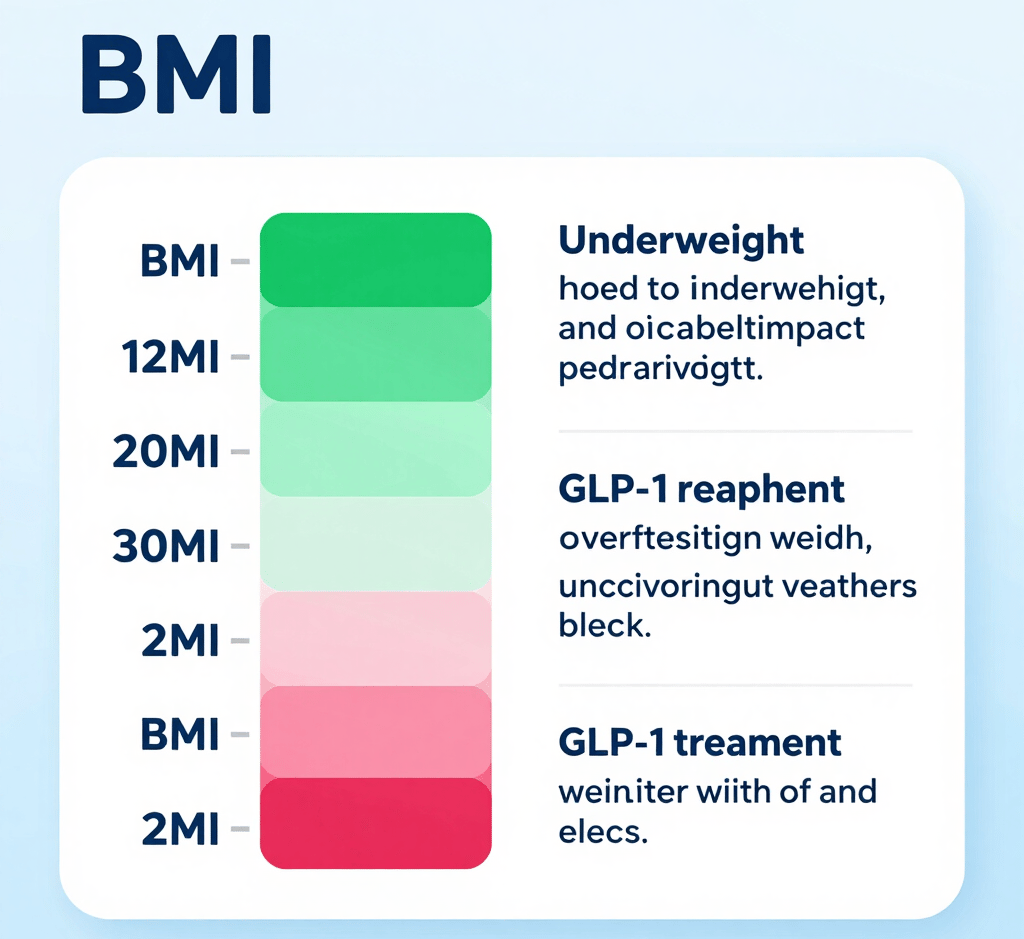
The first category is underweight, defined as a BMI of less than 18.5. Individuals in this range may face potential health risks such as nutritional deficiencies and weakened immune response. It is important for those classified as underweight to consult healthcare professionals to evaluate their health status.
Next, we have the healthy weight range, which spans from a BMI of 18.5 to 24.9. Individuals within this category typically enjoy a balanced state of health, while maintaining a weight that is considered optimal for reducing the risk of chronic diseases such as diabetes and heart disease. This range is generally recognized as ideal for long-term health.
The following category is overweight, identified by a BMI of 25 to 29.9. Those categorized as overweight may face an increased risk of metabolic syndrome and other cardiovascular issues. It is advisable for individuals in this range to adopt lifestyle changes, such as improved dietary habits and increased physical activity, to mitigate these risks.
Finally, the obese category is classified as having a BMI of 30 or higher. Obesity is associated with a higher likelihood of severe health conditions, including type 2 diabetes, certain cancers, and sleep apnea. It is crucial for those in this classification to seek professional guidance to explore suitable weight loss programs that can support a healthier lifestyle.
The Importance of BMI in Weight Loss Programs
Body Mass Index, commonly known as BMI, serves as a valuable measurement in assessing an individual's body weight relative to their height. It plays a significant role in forming the foundation for effective weight loss programs. Understanding one’s BMI can simplify the process of selecting the most suitable weight loss regimen tailored to individual health goals and conditions.
BMI is instrumental in categorizing individuals into various weight categories, including underweight, normal weight, overweight, and obesity. This categorization is vital for healthcare providers as it guides them in formulating specific dietary and exercise recommendations. For example, individuals classified as obese may require more structured weight loss programs that emphasize significant caloric reduction alongside increased physical activity. Conversely, those within the normal weight range may focus on maintaining their weight and enhancing fitness levels rather than pursuing aggressive weight loss measures.
Additionally, BMI can inform the design of personalized weight loss strategies. By considering one's BMI, individuals can better identify their caloric needs, choose appropriate food choices, and choose effective workouts that align with their current physical state. Tailored strategies ensure that weight loss efforts are not one-size-fits-all but instead recognize and respect the unique metabolic and physical characteristics of each individual.
Recognizing the importance of BMI in weight loss initiatives underscores its role as a tool for both awareness and action. It aids in envisioning a clearer path toward weight management that is informed by scientifically-grounded health metrics. Consequently, those embarking on weight loss journeys are encouraged to incorporate BMI assessments as a core component in their quest for sustainable lifestyle changes.
BMI and Medical Eligibility for GLP-1 Medications
Body Mass Index (BMI) is a crucial metric utilized in the assessment of an individual's weight and health status, particularly when it comes to evaluating eligibility for GLP-1 receptor agonists such as semaglutide and tirzepatide. These medications are increasingly utilized in weight loss treatment plans due to their ability to promote weight loss through mechanisms that include appetite suppression and improved glucose regulation. Thus, a healthcare provider often assesses BMI as part of the treatment consideration process.
The criteria for GLP-1 medication eligibility typically include a BMI of 30 or higher, indicating obesity, or a BMI of 27 or more if the individual has at least one obesity-related comorbidity, such as type 2 diabetes or hypertension. This dual criterion allows for a broader range of patients to access these medications, particularly those whose weight poses significant health risks.
Furthermore, healthcare providers may consider other factors beyond BMI, such as a patient’s overall health history, lifestyle, and previous weight loss attempts. This holistic approach ensures that the prescription is appropriate and tailored to maximize efficacy and safety. In essence, while BMI serves as an essential screening tool, it is one component of a comprehensive evaluation process.
The prescribing of GLP-1 medications may provide significant benefits for individuals struggling with obesity, by facilitating not just weight loss, but also improvements in metabolic health. It is essential for patients to engage in thorough discussions with their healthcare professionals regarding the implications of BMI and the role it plays in determining the most suitable weight loss program, which may include GLP-1 medications as a key component.
Navigating Doctor-Prescribed GLP-1 Treatment through Telehealth
As healthcare continues to evolve, telehealth has emerged as a pivotal resource in the management of weight-related health issues, particularly through the use of GLP-1 medications. Individuals categorized within specific Body Mass Index (BMI) ranges can qualify for this treatment, which has shown effectiveness in promoting weight loss and improving metabolic health. According to guidelines, a BMI of 30 or greater typically qualifies for GLP-1 therapy, while those with a BMI of 27 or greater may also be eligible, provided they have weight-related health conditions such as hypertension or diabetes.
Accessing GLP-1 treatment through telehealth platforms like Yucca Health offers numerous advantages for individuals seeking weight management solutions. One primary benefit is the convenience of consultations from the comfort of home. Patients no longer need to endure long wait times at clinics or travel significant distances to receive care. Instead, they can schedule online appointments with healthcare providers who specialize in obesity medicine.
Moreover, telehealth ensures that individuals have access to knowledgeable professionals who can guide them through the intricacies of GLP-1 treatments. Healthcare providers can evaluate a patient's medical history, assess their BMI, and recommend suitable treatment plans, all through virtual consultations. This format not only facilitates timely access to necessary medications but also allows for continuous monitoring of progress and adjustment of treatment plans as required.
In summary, telehealth platforms have significantly improved access to doctor-prescribed GLP-1 treatments, enabling individuals to pursue effective weight loss strategies tailored to their specific needs. With the rise in telehealth usage, patients can effectively manage their health while enjoying the flexibility and convenience that modern technology provides.
Generic vs. Personalized Weight Loss Programs
Weight loss programs can generally be categorized into two distinct types: generic and personalized. Generic weight loss programs are widely available and often follow a one-size-fits-all approach. They frequently offer similar plans that emphasize caloric restriction and physical activity without taking individual health factors or metabolic differences into account. While these programs may yield results for some, they often overlook the fact that each person's body responds differently to diet and exercise, which can lead to long-term challenges in maintaining weight loss.
On the other hand, personalized weight loss programs, particularly those guided by healthcare professionals, take a more tailored approach. These programs consider not only the individual’s Body Mass Index (BMI) but also other crucial health markers, such as metabolic rates, existing health conditions, and lifestyle habits. By integrating these factors, a personalized program is more likely to create a sustainable weight loss plan that resonates with the individual’s specific needs and goals.
Research indicates that personalized weight loss interventions result in more significant and long-lasting outcomes compared to generic programs. A tailored approach can motivate individuals by providing them with a program they feel is designed just for them, addressing their unique challenges and preferences. Furthermore, having a doctor-guided weight loss journey increases accountability and support, which are essential components in successfully navigating the demands of dietary modifications and behavior changes.
In conclusion, while generic weight loss programs may help some individuals shed pounds in the short term, a personalized approach that considers BMI and individual health statistics is likely to foster better adherence, satisfaction, and ultimately, long-lasting weight management success.
Achieving Weight Loss Success: Real Patient Results and Getting Started
At Yucca Health, countless individuals have experienced transformative weight loss success through personalized programs designed to cater to their unique needs. These tailored weight loss approaches, based on individual BMI assessments, ensure that each patient receives the guidance and resources necessary to reach their goals. For example, a recent patient, Sarah, struggled for years to lose weight using conventional dieting techniques. After enrolling in a personalized program through Yucca Health, not only did she receive a customized nutrition plan, but she also had access to ongoing support from licensed professionals. Within six months, Sarah achieved her target weight and reported enhanced energy levels and overall well-being.
Another inspiring story comes from John, who faced challenges related to obesity and related health issues. By leveraging the services provided by Yucca Health to create a plan based on his BMI and specific health concerns, he was able to embark on a successful weight loss journey. John lost over 30 pounds in a year and noted significant improvements in his health markers, including reduced blood pressure and cholesterol levels.
Individuals looking to start their weight loss journey can obtain their personalized program within 24 hours by visiting Yucca Health. The process is straightforward; potential patients simply need to complete an online questionnaire that takes into account their BMI and health history. After submitting this information, they are matched with a licensed physician who reviews their data and formulates a unique weight loss strategy. This efficient, patient-centered approach not only empowers individuals to take control of their health but also inspires them through the success stories of others who have embarked on similar journeys.



Check Your BMI in Minutes
Get matched with a doctor-approved GLP-1 weight loss plan personalized for you.
Rated 4.9/5 Stars
★★★★★
Privacy
Your data is safe with enlost.
Contact
Social
+1 (563) 580-1872
© 2026. All rights reserved.