How to Lose Belly Fat in 2026: What Science and Doctors Say Actually Works
WEIGHT LOSE
5/16/20264 min read
Understanding Belly Fat: The Most Stubborn and Dangerous Type
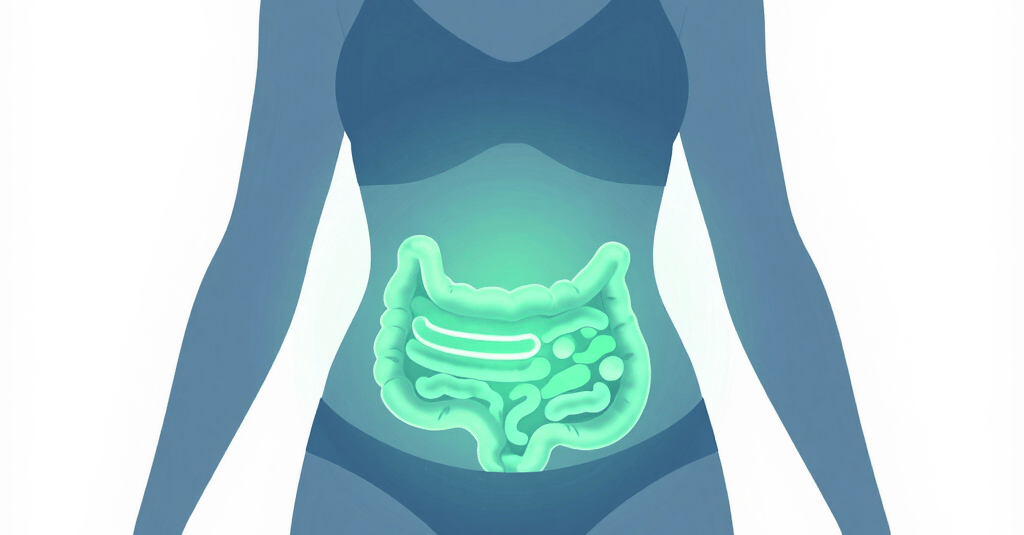
Belly fat, particularly visceral fat, is often considered the most stubborn and dangerous type of fat in the human body. Unlike subcutaneous fat, which lies just beneath the skin, visceral fat surrounds vital organs such as the liver, pancreas, and intestines. This type of fat not only serves as a storage area for excess energy but is also metabolically active, producing hormones and inflammatory substances that can have serious health implications.
Visceral fat accumulates due to various factors, including poor diet, lack of physical activity, and genetic predispositions. It is particularly prevalent in individuals who may be of normal weight yet have an unhealthy body composition due to a diet high in processed foods and sugary drinks. This unique characteristic makes losing belly fat especially challenging, as it often requires lifestyle changes that go beyond typical weight-loss strategies.
The health risks associated with belly fat are significant, as research has consistently linked high levels of visceral fat to increased chances of developing cardiovascular diseases, type 2 diabetes, and other metabolic disorders. Unlike other fat deposits that may not pose immediate health threats, belly fat's proximity to essential organs escalates the risk of serious medical conditions. Therefore, it is critical to remain vigilant about abdominal fat and employ effective strategies for its reduction.
Moreover, the psychological aspects of having excess belly fat can also adversely affect mental health, leading to issues such as lower self-esteem and anxiety. Given these implications, addressing belly fat becomes a priority not just for physical health but for overall well-being. In light of its stubborn nature, strategies for losing belly fat must be realistic, sustainable, and tailored to individual needs to facilitate long-lasting results.
Visceral fat, often referred to as belly fat, is a type of fat that is stored in the abdominal cavity and surrounds vital organs such as the liver, pancreas, and intestines. This particular type of fat is concerning due to its significant impact on metabolism and overall health. Unlike subcutaneous fat, which lies just beneath the skin, visceral fat is actively metabolically active, releasing various substances that can disrupt normal hormonal balance.
One of the critical ways that visceral fat affects weight loss efforts is through its influence on hormones involved in appetite regulation and metabolism. For instance, excess visceral fat is linked to increased production of ghrelin, often called the "hunger hormone," which can lead to heightened feelings of hunger and increased cravings for unhealthy foods. Concurrently, it can contribute to decreased levels of leptin, a hormone responsible for signaling fullness, ultimately promoting overeating.
This hormonal imbalance can create a vicious cycle that complicates weight loss. As individuals struggle with increased cravings and decreased satiety, their metabolic processes are further altered. Studies indicate that visceral fat can lead to insulin resistance, a condition that makes it difficult for the body to burn fat effectively. This resistance exacerbates the accumulation of more visceral fat, making weight loss particularly challenging for individuals already dealing with obesity or excess abdominal fat.
The relationship between visceral fat and metabolism highlights the importance of addressing this type of fat in weight loss strategies. Effective approaches may involve dietary adjustments, increased physical activity, or other lifestyle changes aimed at reducing visceral fat levels. By targeting this specific fat, individuals may improve their hormonal balance and create conditions favorable for achieving their weight loss goals.
Limitations of Traditional Methods: Crunches and Diet Plans
Many individuals seeking to lose belly fat often turn to traditional methods such as performing crunches or following restrictive diet plans. However, these approaches may not be as effective as expected. Scientific research indicates that isolating muscle groups through exercises like crunches fails to adequately address deep belly fat. While crunches can strengthen abdominal muscles, they do not significantly contribute to fat loss in that area. This is primarily because spot reduction is largely a myth; fat loss occurs systematically throughout the body and cannot be targeted by specific exercises alone.
Restrictive diets, on the other hand, often lead to temporary weight loss but can inadvertently result in metabolic slowdown. Many popular diets emphasize calorie deficit without considering the body's hormonal response to food intake. This can exacerbate issues such as increased hunger and cravings, which may ultimately lead to weight gain once the diet is lifted. Moreover, the mental and emotional aspects of dieting can also affect long-term adherence. Rigid rules surrounding food can create a cycle of binge eating or emotional eating, further complicating weight loss efforts.
Additionally, these traditional strategies often overlook critical factors influencing overall health and body composition, such as hormonal imbalances and metabolic disorders. Conditions like insulin resistance or thyroid dysfunction can significantly impact an individual’s ability to lose belly fat, making it important to adopt a more comprehensive approach. Instead of relying solely on crunches and restrictive diets, a multifaceted strategy involving balanced nutrition, regular physical activity, hormonal balance, and stress management is recommended. This holistic method not only addresses the underlying issues but also promotes sustainable weight loss and improved overall health.
Innovative Solutions: GLP-1 Medications and Real Success Stories
In recent years, the development of GLP-1 medications, such as semaglutide and tirzepatide, has provided innovative solutions for individuals struggling with weight loss, specifically targeting belly fat. These medications work by mimicking the action of the glucagon-like peptide-1 hormone, which plays a critical role in regulating appetite and improving metabolic function. By enhancing the communication between the gut and the brain, these medications effectively promote satiety, thereby reducing overall caloric intake.
Studies have shown that patients using GLP-1 medications have achieved significant reductions in belly fat and overall body weight. Real success stories further illuminate the impact these treatments can have on individuals’ lives. For instance, many patients have reported not only noticeable weight loss but also improvements in their metabolic health, including better blood sugar control and lower cholesterol levels. These personal testimonials often describe how patients have transformed their lifestyles through a combination of medication, dietary changes, and physical activity.
One patient shared her journey of losing over 30 pounds in a six-month period, attributing her success to a personalized approach that included regular consultations with healthcare professionals. She noted that the medication helped curb her cravings, making it easier to stick to healthier eating habits. Others have echoed similar experiences, highlighting how GLP-1 medications have provided a much-needed boost in their weight loss journeys.
For those interested in beginning their own weight loss journey using GLP-1 medications, the process is straightforward. Individuals can initiate their transformation from the comfort of their homes through a simple online consultation with board-certified US physicians. This telehealth approach ensures that expert guidance is accessible, making it easier than ever to explore these innovative solutions for losing belly fat.

Say Goodbye to Belly Fat
Personalized GLP-1 plans, no gym needed, fast 2-day home delivery
Rated 4.9/5 Stars
★★★★★
Privacy
Your data is safe with enlost.
Contact
Social
+1 (563) 580-1872
© 2026. All rights reserved.